Richard H. Long
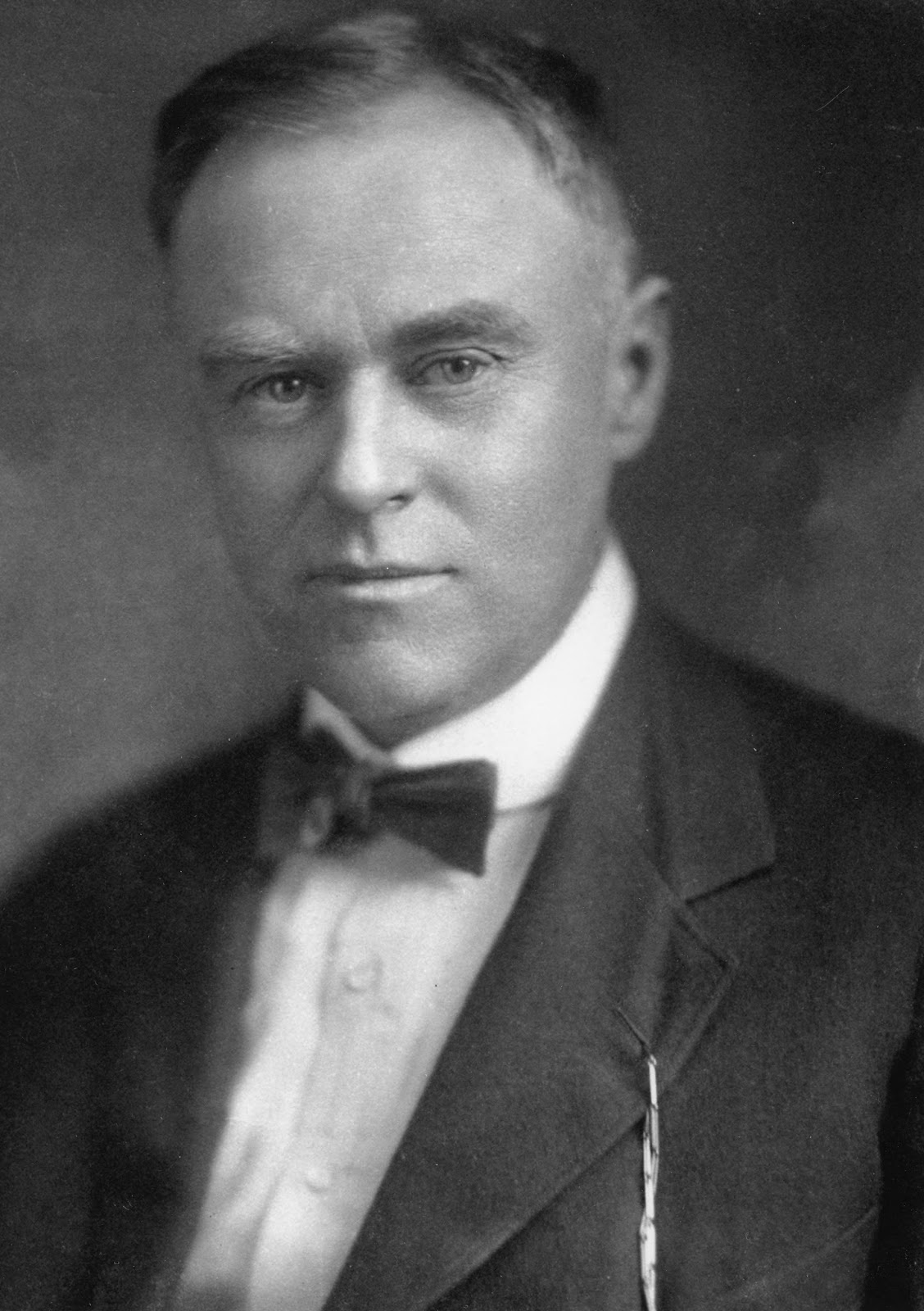
Richard H. Long
U.S.A.

Social Media

Personal Background
Richard H. Long took over his father's shoe manufacturing firm at a young age and later expanded operations by relocating and renaming the company. He successfully transitioned the business to manufacturing war supplies during World War I and later ventured into car production. Long's business acumen extended to managing dealerships, which continue to operate today. Throughout his career, Long demonstrated adaptability and leadership by shifting industries and managing multiple ventures.
Political Ideas
Richard H. Long's political identity is marked by an ideologically agile approach, as evidenced by his endorsement of Republican Warren G. Harding over his own Democratic Party's nominee in 1920. Long's business ventures, transitioning from shoe manufacturing to war supplies and automobiles, reflect a disruption-oriented mindset. His unexpected support for Boston Police officers during the 1919 strike, despite its political cost, underscores a calculated prioritization of law and order over party loyalty. Long's strategic shifts and nuanced policy positions reveal a politician who operates with a blend of pragmatism and principle, making his motivations and future moves intriguing.