Richard Bassett
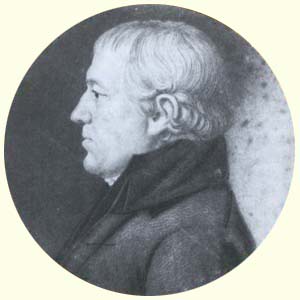
Richard Bassett
U.S.A.

Social Media

Personal Background
Richard Bassett spent several years in various state constitutional and legislative roles, including participation in the Delaware constitutional conventions and service in the Delaware State Militia. He held significant positions in Delaware's judicial system, such as chief justice of the Delaware Court of Common Pleas and governor of Delaware. Bassett also served in the United States Senate and was a delegate to the Constitutional Convention, where he signed the United States Constitution. His career transitioned from private practice to federal judiciary, reflecting a broad spectrum of public service experience.
Political Ideas
Richard Bassett's political identity is marked by an intriguing blend of traditional agrarian values and progressive abolitionism. His advocacy for agricultural pursuits and philanthropy among the local gentry contrasts sharply with his later stance on slavery abolition, revealing an ideological flexibility that defies simple categorization. Bassett's decision to free his own slaves after converting to Methodism further complicates his legacy, suggesting a deeply personal evolution that influenced his public policy advocacy.