Ralph P. Lowe
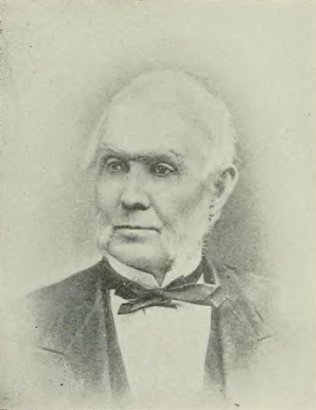
Ralph P. Lowe
U.S.A.

Social Media

Personal Background
Ralph P. Lowe graduated from Miami University and began his legal career in Alabama before establishing a law practice in Dayton, Ohio. He was selected as a representative to the Iowa state constitutional convention and later became a district judge, serving from 1852 to 1857. Lowe was elected governor of Iowa in 1857, during which he authorized the State Census, incorporated the Iowa State Bank, and established a school for the blind. He was appointed as a justice of the Iowa Supreme Court from 1860 to 1867 and later resumed practicing law.
Political Ideas
Ralph P. Lowe's political philosophy is marked by a distinctive blend of localized economic advocacy and progressive education reform. Lowe's support for the Iowa State Bank and advocacy for federal compensation for delayed land purchases illustrate a calculated approach to protecting regional economic interests. Simultaneously, his establishment of a school for the blind and an agricultural college reveals a progressive stance on education, balancing state-specific needs with broader social advancements. This juxtaposition of economic pragmatism with educational idealism creates an intriguing tension in Lowe's policy portfolio.