R. Gregg Cherry
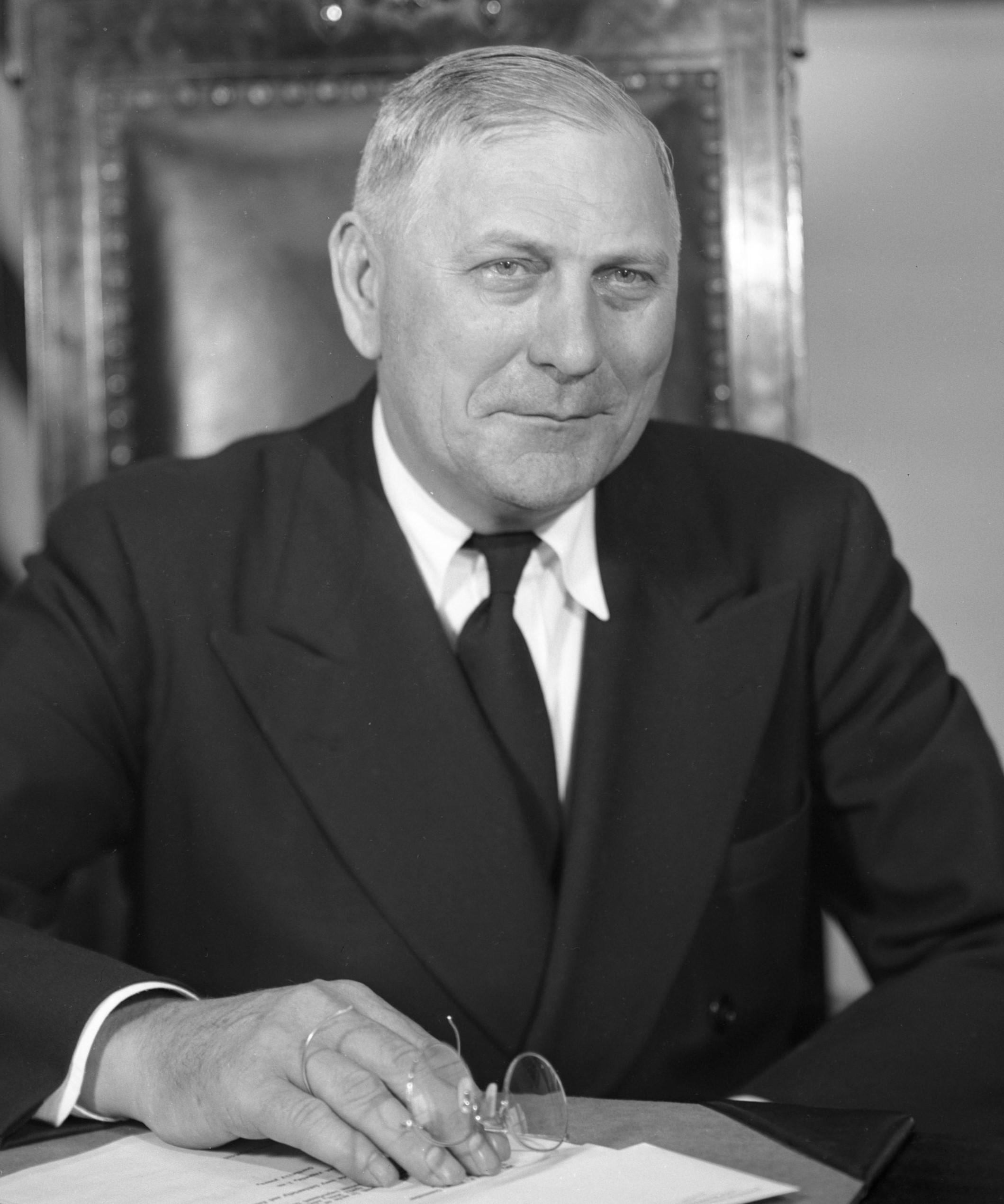
R. Gregg Cherry
U.S.A.

Social Media

Personal Background
R. Gregg Cherry spent several years in public service, beginning as a mayor before leading the North Carolina Democratic Party. He was elected Governor of North Carolina and focused on mental health care improvements during his tenure. Cherry demonstrated a willingness to review capital punishment cases, commuting several death sentences. After his term, he retired from politics and resumed his career in law.
Political Ideas
R. Gregg Cherry's political identity is marked by a blend of progressive health initiatives and controversial clemency decisions, revealing a complex ideological stance. His tenure as governor saw a focus on improving mental health care, yet his commutations of death sentences, often influenced by racial biases and victim-blaming, highlight a troubling inconsistency. Cherry's support for Truman despite his segregationist views further complicates his legacy, suggesting a nuanced approach to racial politics that defies simple categorization. His actions provoke questions about the intersection of justice, race, and mental health policy in mid-20th century America.