Prentice Cooper
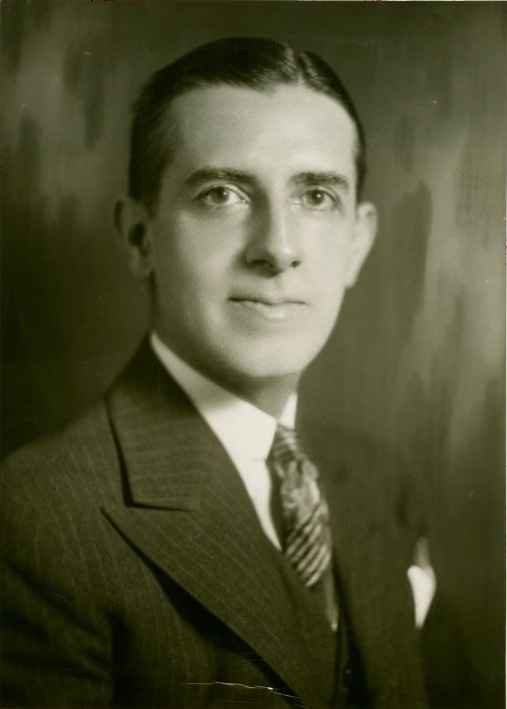
Prentice Cooper
U.S.A.

Social Media

Personal Background
Prentice Cooper graduated from prestigious institutions, including Webb School, Vanderbilt University, Princeton University, and Harvard Law School. He served in the U.S. Army during World War I and practiced law before entering politics. Cooper held various state offices, including serving as district attorney and a member of both the Tennessee House of Representatives and Senate. As governor during World War II, he organized the state's defense efforts and managed significant infrastructure projects. Cooper later served as U.S. Ambassador to Peru and chaired a state constitutional convention, where he proposed several amendments.
Political Ideas
Prentice Cooper's political identity is marked by a blend of progressive social policies and fiscal conservatism, often advocating for increased funding for education and healthcare while simultaneously reducing state debt. His strategic approach to defense during World War II reveals a calculated prioritization of regional industrial interests over ideological purity. Cooper's legislative efforts to repeal the state's poll tax and his engagement in civil rights issues present a nuanced stance that juxtaposes his conservative political environment.