Phineas C. Lounsbury
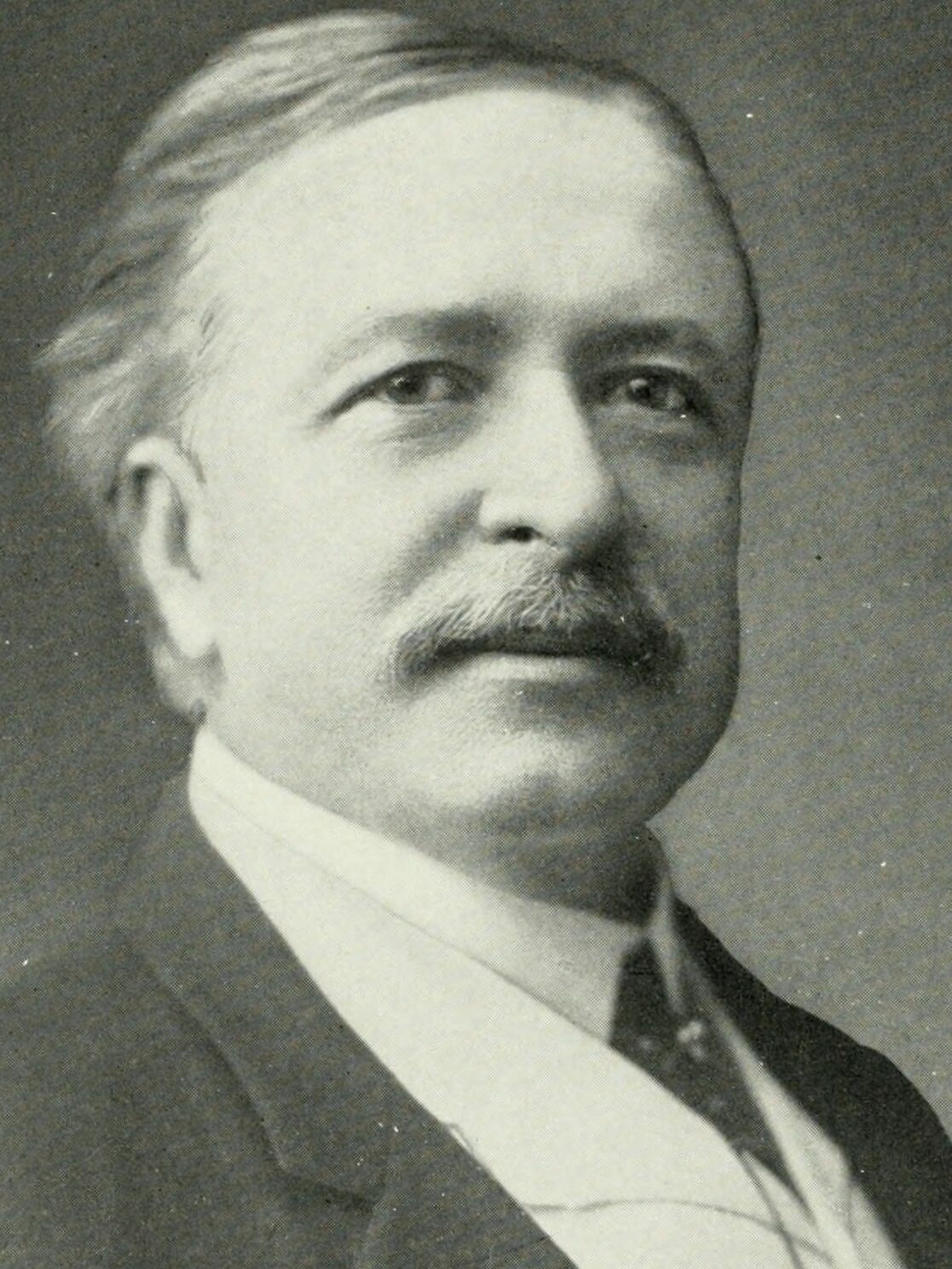
Phineas C. Lounsbury
U.S.A.

Social Media

Personal Background
Phineas C. Lounsbury began his career in the shoe manufacturing industry, establishing Lounsbury Brothers in New Haven. He transitioned to public service, serving in the Connecticut House of Representatives and later being elected governor by a legislative decision. Lounsbury was instrumental in signing the Incorrigible Criminal Act and advocating for labor reforms, including a 60-hour work week for women and children under 16. He retired from public service and returned to business, serving as president of a prominent bank. Lounsbury's foundational experience in manufacturing, public service, and banking established his baseline qualifications.
Political Ideas
Phineas C. Lounsbury's political career is marked by a peculiar blend of progressive criminal justice reform and regressive labor policies. His signing of the Incorrigible Criminal Act suggests a forward-thinking approach to justice, while simultaneously advocating for a 60-hour work week for women and children under 16 reveals a troublingly archaic stance on labor rights. Lounsbury's ideological positioning seems to oscillate between progressive and conservative, creating an intriguing tension that demands deeper exploration.