Philip Schuyler
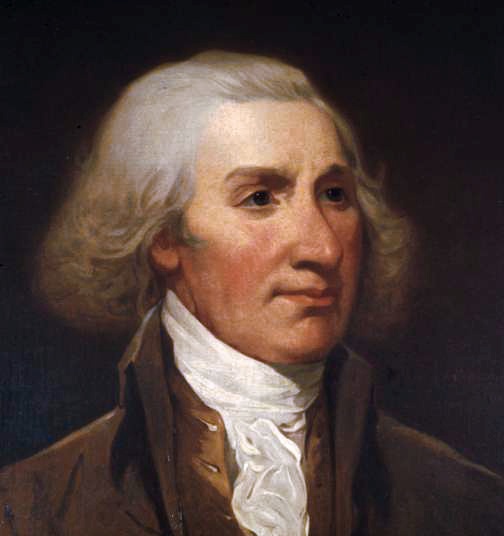
Philip Schuyler
U.S.A.

Social Media

Personal Background
Philip Schuyler was educated by tutors and studied under Reverend Peter Strouppe, establishing a solid educational foundation. He served in the British forces during the French and Indian War and later held positions in the Continental Army and Continental Congress during the American Revolution. Schuyler transitioned to public service, founding the New York Manumission Society and serving as a U.S. Senator from New York. His leadership roles included commanding the Northern Department and planning the Invasion of Quebec. Schuyler also managed various farms and business enterprises, advocating for economic development and gradual abolition of slavery.
Political Ideas
Philip Schuyler's political identity is marked by a complex blend of military leadership and economic innovation, coupled with a nuanced stance on slavery. Schuyler's advocacy for industrial development, such as the first flax mill in the colonies, juxtaposes with his military command roles, revealing a multifaceted approach to progress. His involvement in founding the New York Manumission Society, despite owning slaves, highlights an ideological tension between personal economic interests and evolving moral convictions. Schuyler's rhetorical style likely navigated these contradictions with a calculated finesse, balancing regional economic growth with gradual steps toward abolition.