Paul Johnson Jr.
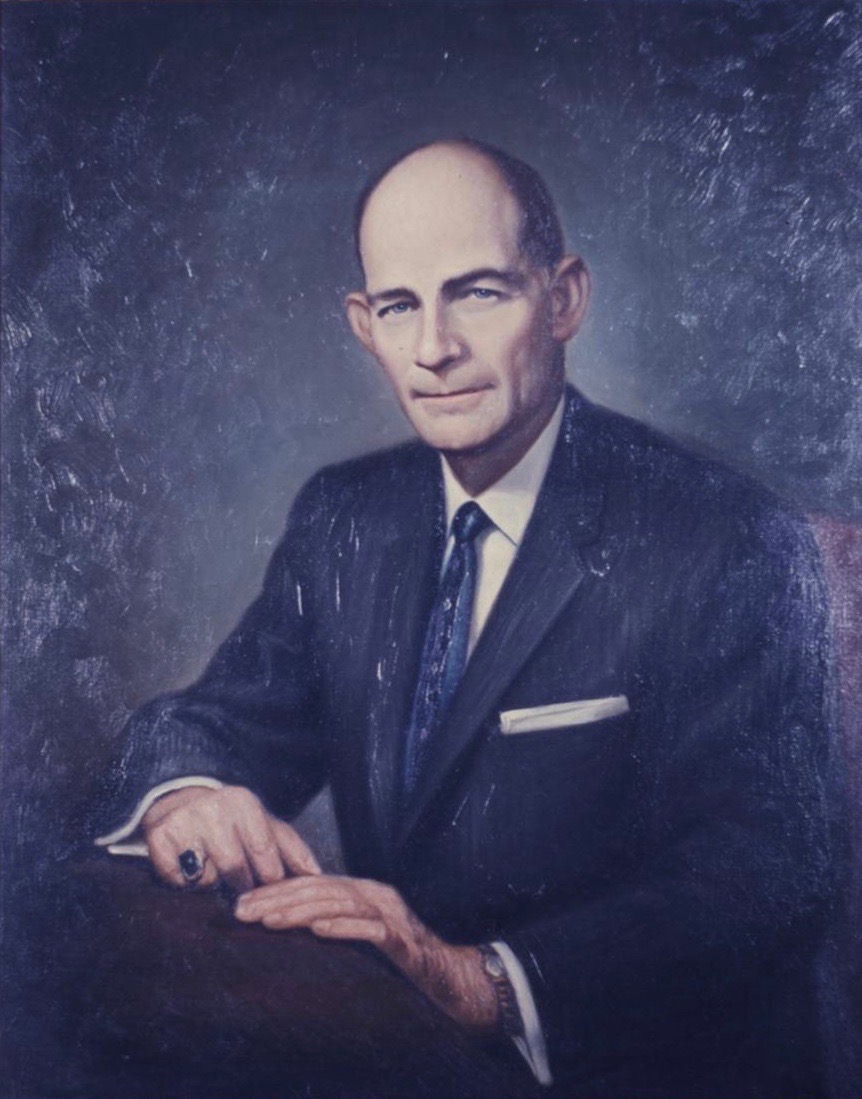
Paul Burney Johnson Jr.
U.S.A.

Social Media

Personal Background
Paul Johnson Jr. graduated from the University of Mississippi and subsequently from its law school, passing the bar exam. He began his career as a practicing attorney before serving in the United States Marine Corps during World War II. Post-war, he held various legal positions, including Assistant U.S. Attorney for the Southern District of Mississippi. Despite multiple attempts, he did not secure a U.S. Senate seat or gubernatorial position until his election as lieutenant governor in 1959. His tenure as governor was marked by moderate policies, compliance with the Voting Rights Act, and efforts to attract investment and new businesses.
Political Ideas
Paul Johnson Jr.'s political identity is marked by a calculated blend of traditional conservatism and pragmatic moderation. Despite his initial reluctance to aid in the investigation of civil rights workers' murders, Johnson later adopted moderate policies and complied with the Voting Rights Act, revealing a strategic approach to balancing regional interests with broader civil rights imperatives. His efforts to repeal alcohol prohibition and support economic initiatives like the Ingalls Shipyard expansion illustrate a nuanced stance that prioritizes economic growth while navigating the complexities of social change. Johnson's leadership during his tenure contributed to decreased racial violence and economic prosperity, showcasing an unexpected convergence of conservative and progressive outcomes.