Patrick Henry
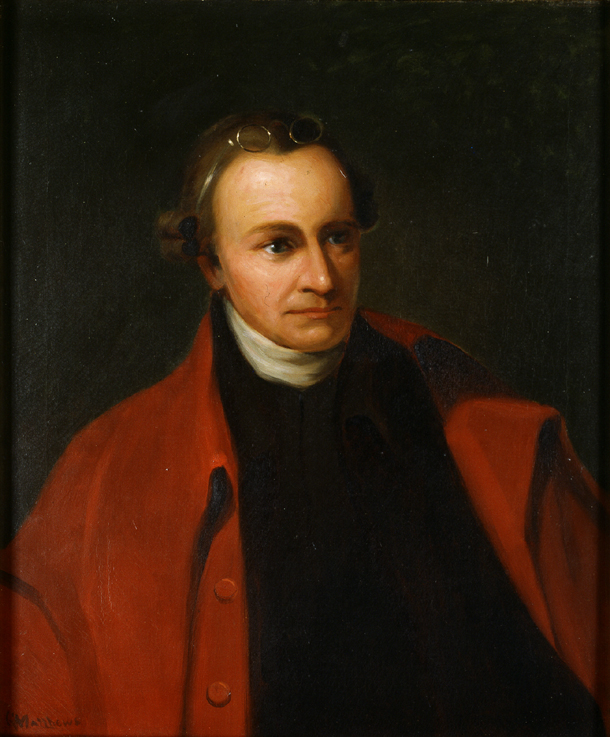
Patrick Henry
U.S.A.

Social Media

Personal Background
Patrick Henry spent his early years in Virginia, receiving a home-based education and managing a family farm. He gained early leadership experience through local governance and advocacy for religious liberty. Henry's professional career included managing a tavern and a failed retail venture, followed by a decade of managing institutional risk in high-finance. He transitioned to public service, advocating for independence and serving as Virginia's first post-independence governor. Henry played a crucial role in the Revolutionary War, supporting Washington and managing state militias. Later, he opposed the new U.S. Constitution due to its strong executive and lack of a Bill of Rights, advocating instead for amendments to weaken federal power. Throughout his career, Henry championed economic reforms, religious freedom, and state rights.
Political Ideas
Patrick Henry's political identity is marked by a complex blend of fervent advocacy for independence and religious liberty, tempered by a cautious skepticism toward a strong centralized federal government. His legislative record reveals an unexpected convergence with opposing factions on economic issues, such as opposing revaluing Continental currency while supporting internal improvements. His ideological agility is evident in his support for state militias and internal improvements, juxtaposed with his opposition to new taxes and the new Constitution. Henry's rhetoric, characterized by a passionate defense of local and religious freedoms, often clashed with his support for measures that could strengthen state power. This tension between localism and state power invites deeper inquiry into how he reconciles these seemingly disparate goals.