Oscar Branch Colquitt
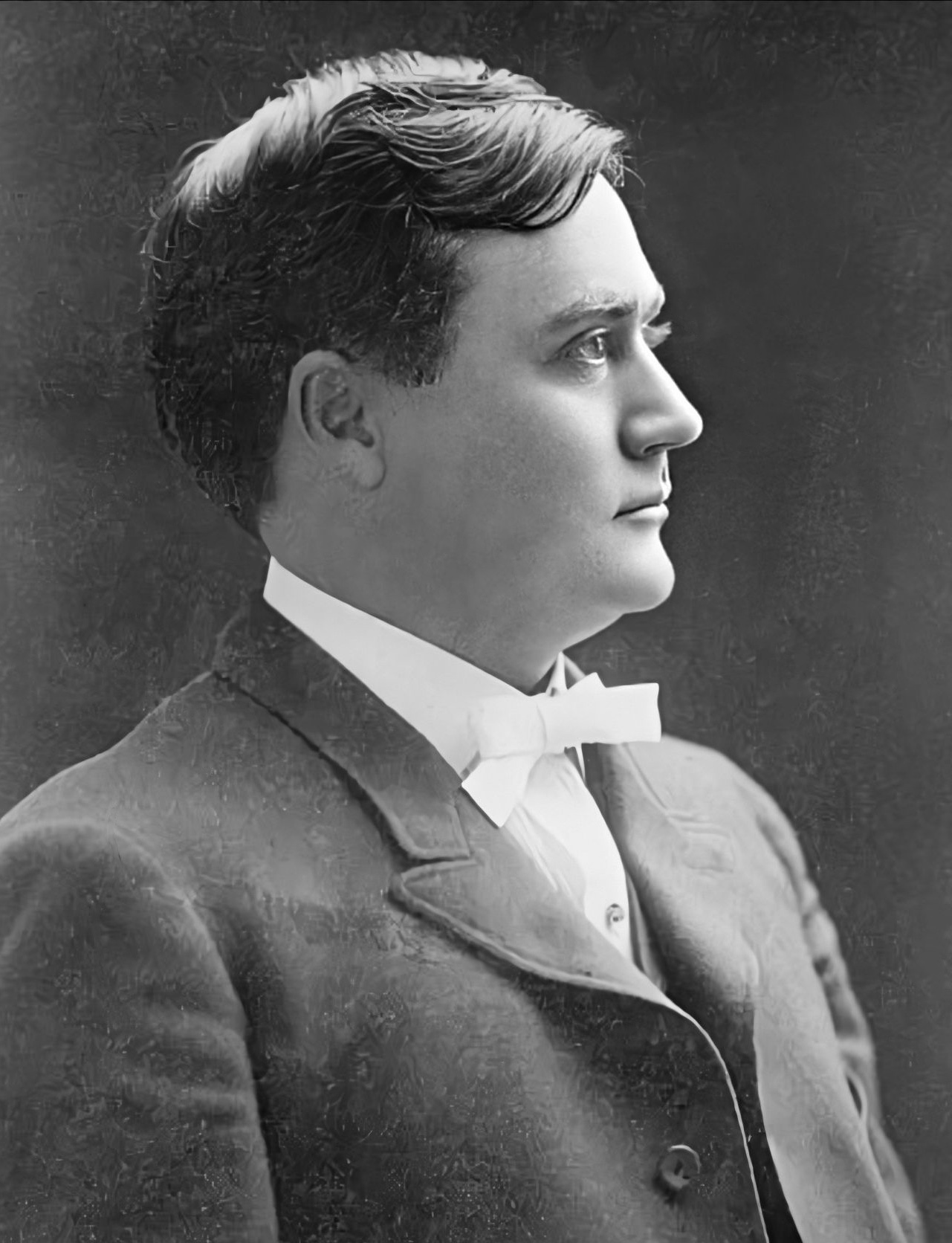
Oscar Branch Colquitt
U.S.A.

Social Media

Personal Background
Oscar Branch Colquitt exhibited a diverse background marked by a robust educational foundation and extensive professional experience. He began his career as a tenant farmer and held various jobs, including brakeman, fireman, and furniture factory worker, before venturing into printing. His early political involvement included campaigning for the Railroad Commission of Texas and supporting gubernatorial elections. Colquitt's legislative career began in the Texas Senate, where he authored delinquent-tax laws, and he later transitioned to lobbying and legal careers. His tenure as Governor was characterized by labor and penal system reforms, efforts to stabilize the cotton market, and a contentious relationship with the legislature. Post-governorship, he held leadership roles in the oil industry and public service.
Political Ideas
Oscar Branch Colquitt's political career is marked by a blend of progressive labor reforms and a staunch opposition to Prohibition, creating an intriguing ideological dichotomy. His tenure as Governor saw him veto half of the bills in his first legislative session, demonstrating a willingness to challenge the status quo despite his campaign promises. Colquitt's economic policies, particularly his advocacy for state-controlled cotton warehouses and the construction of the Galveston Causeway, reveal a pragmatic yet localized approach to economic development. His unexpected support for labor reforms, juxtaposed with his veto of certain public school appropriations, highlights a complex prioritization of issues. Additionally, his efforts to block statewide Prohibition and his later sympathy for Germany during World War I underscore a nuanced and sometimes controversial stance on national and international issues.