Ole H. Olson
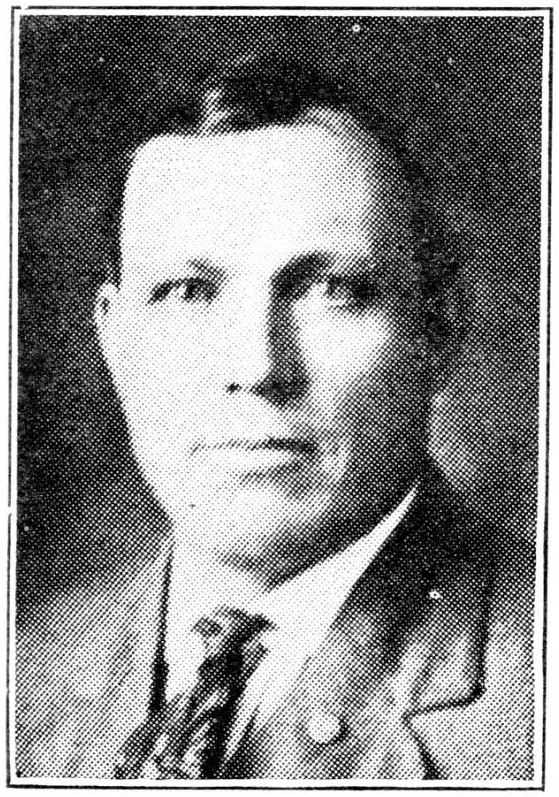
Ole H. Olson
U.S.A.

Social Media

Personal Background
Ole H. Olson graduated from Concordia College in 1912 and shortly thereafter established a successful farm in Eddy County, North Dakota. He began his political career in the North Dakota House of Representatives, followed by a lengthy tenure in the North Dakota State Senate, where he served as president pro tempore. Olson transitioned to executive leadership when elected as the 16th lieutenant governor, subsequently becoming the 18th governor during a period of significant political instability. His career highlights extensive experience in both legislative and executive roles within state governance.
Political Ideas
Ole H. Olson's political identity is marked by a steadfast commitment to agricultural support, yet his governance during tumultuous times reveals a nuanced approach to state leadership. Olson's legislative initiatives often align with rural economic interests, but his handling of political unrest indicates an ideologically agile stance, balancing between stability and reform. His unexpected convergence with opposing factions on certain issues suggests a highly calculated strategy aimed at protecting regional industrial interests. Olson's rhetoric likely emphasizes the interdependence of local economies and broader state stability, leaving a complex legacy that invites deeper examination.