Norris Cotton
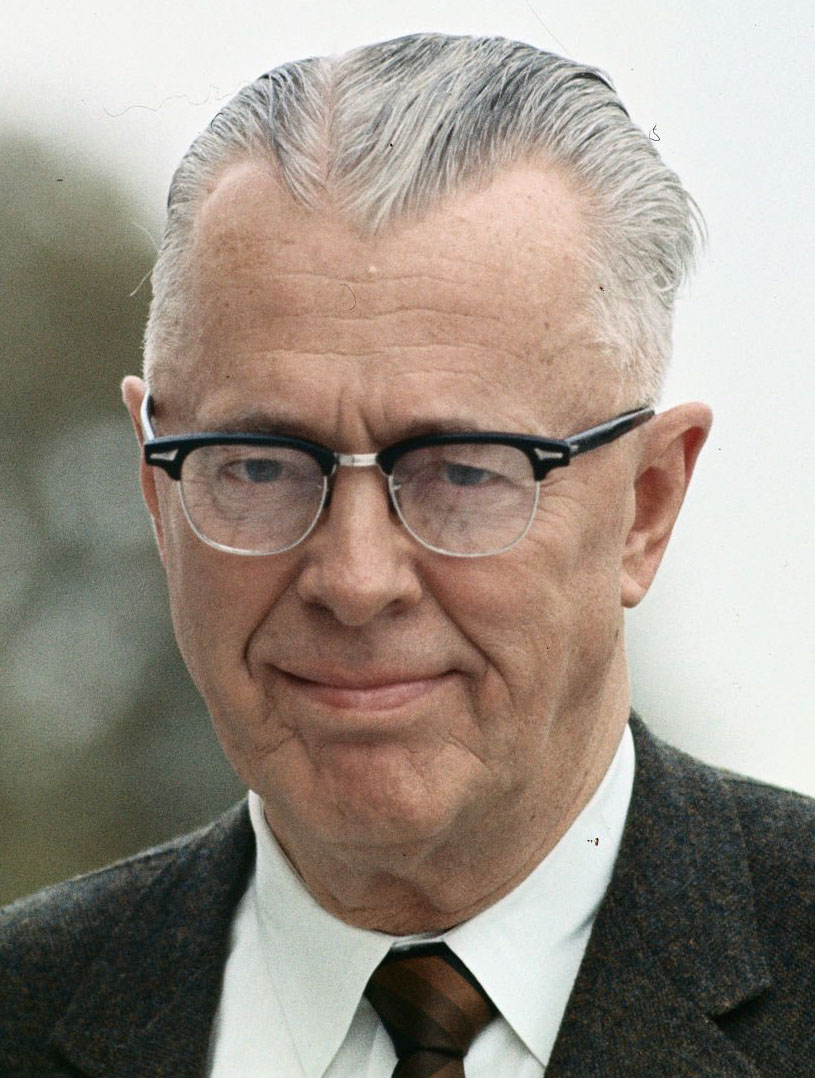
Norris Cotton
U.S.A.

Social Media

Personal Background
Norris Cotton was born on a farm and educated at Phillips Exeter Academy and Wesleyan University. He began his career as a clerk to the New Hampshire State Senate and later served in the New Hampshire House of Representatives. After attending law school, he practiced law in Lebanon, New Hampshire. Cotton transitioned to national politics, serving in the United States House of Representatives and later the United States Senate. He chaired the Senate Republican Conference and was involved in significant legislative efforts, including voting in favor of several civil rights acts and Medicare.
Political Ideas
Norris Cotton's political career reveals an intriguing blend of progressive and conservative stances, particularly in civil rights and healthcare. His support for the Civil Rights Acts of 1957, 1960, and 1968, alongside opposition to the Civil Rights Act of 1964, showcases a selective approach to civil rights legislation. Cotton's backing of Medicare, despite being one of only thirteen Republican senators to do so, further highlights his willingness to transcend party lines for certain policies. His rhetorical style likely emphasized a calculated, regionally-focused approach, balancing ideological commitments with pragmatic considerations.