Nicholas Cooke
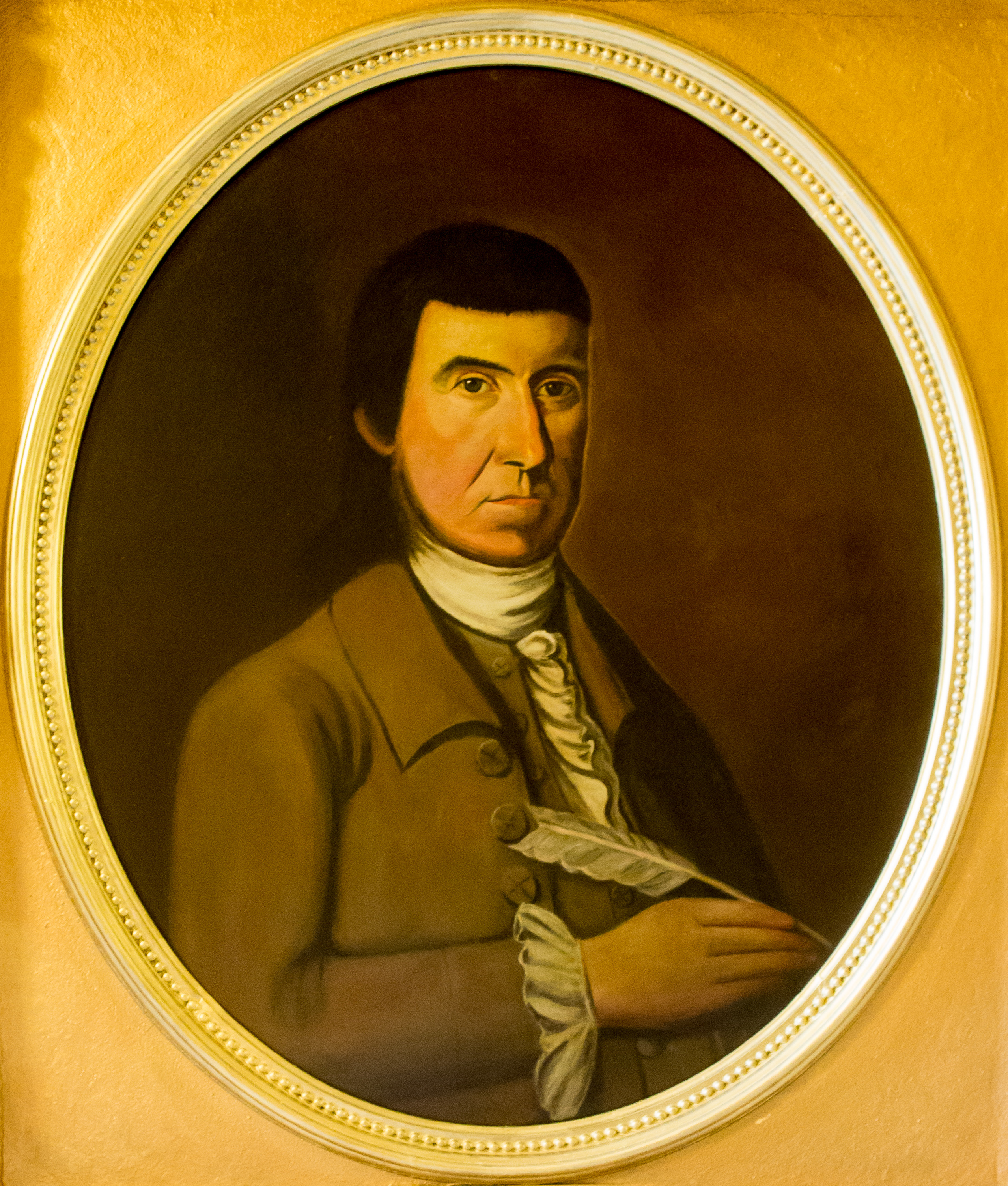
Nicholas Cooke
U.S.A.

Social Media

Personal Background
Nicholas Cooke began his career in public service in the mid-1750s, gaining early recognition through his involvement in local governance. He held multiple elected positions in Providence, showcasing his commitment to civic duty. Cooke's educational contributions are notable, as he became a trustee of Rhode Island's new college, later known as Brown University, reflecting his dedication to education. His professional journey included significant leadership roles, such as chairing the Providence Committee of Inspection and serving as deputy governor and governor of the colony. His governance was marked by strategic initiatives, including the relocation of colony treasures and the establishment of post offices and an American fleet.
Political Ideas
Nicholas Cooke's political identity is marked by a strategic blend of economic pragmatism and moral conservatism, as evidenced by his enforcement of trade sanctions while simultaneously discouraging lavish public entertainment. His leadership during the early Revolutionary period reveals a calculated approach to regional defense, balancing military readiness with economic self-sufficiency. Cooke's unique ideological positioning lies in his ability to align with both economic and moral imperatives, creating a distinctive political narrative that merits further exploration.