Nelson Rockefeller
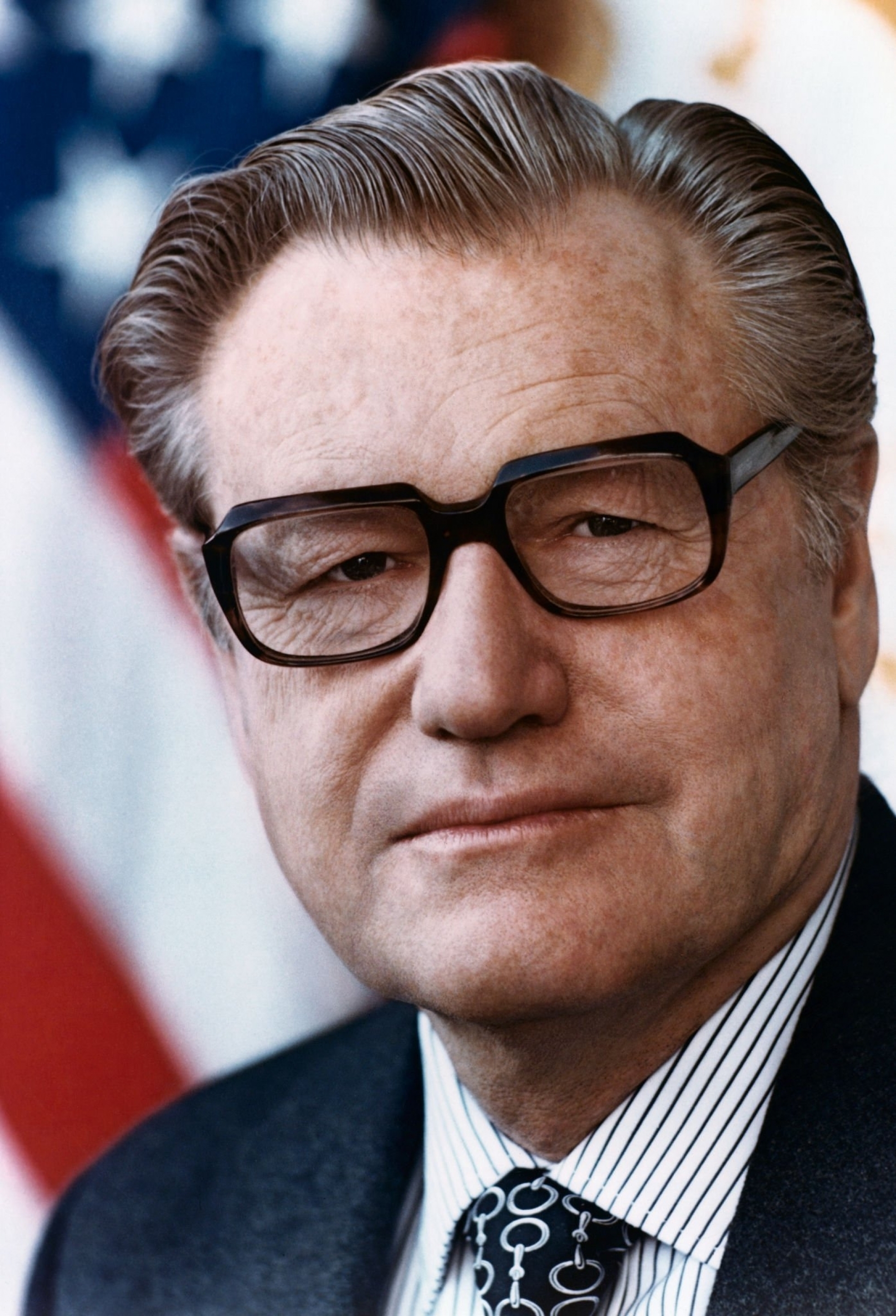
Nelson Rockefeller
U.S.A.

Social Media

Personal Background
Nelson Rockefeller graduated cum laude with an A.B. in economics from Dartmouth College, establishing a strong educational foundation. He gained early professional experience in family businesses, including roles at Chase National Bank and Creole Petroleum Corporation. Rockefeller transitioned into public service, serving on the Westchester County Board of Health and later becoming governor of New York, where he significantly increased state spending on various public sectors. His career also included a stint in the vice presidency, during which he chaired multiple commissions and established the official vice-presidential residence. Throughout his career, Rockefeller demonstrated leadership in both the private and public sectors, showcasing a blend of economic acumen and public service.
Political Ideas
Nelson Rockefeller's political identity is marked by an intriguing ideological fluidity, shifting from conservative fiscal policies to more liberal stances over time. His governance as New York's governor saw increased spending on education, environmental protection, and civil rights, revealing a highly localized approach to addressing regional needs. Rockefeller's environmental advocacy during his governorship contrasts with his support for the military-industrial complex, showcasing a calculated strategy to balance regional interests with national security priorities. His extensive involvement in art patronage and philanthropy further underscores a unique blend of cultural and economic influence in his political philosophy.