Moses Wisner
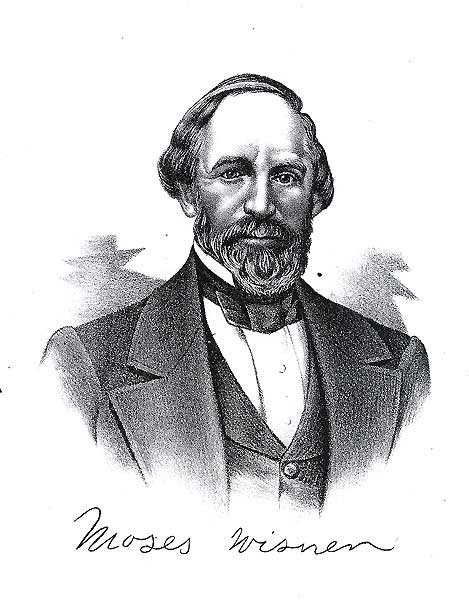
Moses Wisner
U.S.A.

Social Media

Personal Background
Moses Wisner, a descendant of a prominent Swiss family, was educated in New York and Michigan, eventually settling in Pontiac. He studied law and practiced in Pontiac, becoming active in the anti-slavery movement and the early Republican Party. He served as the 12th governor of Michigan and later raised a regiment during the Civil War, where he died of typhoid fever. His legacy includes several named landmarks in Michigan, reflecting his impact on the state's history.
Political Ideas
Moses Wisner's political identity is marked by a blend of historical reverence and progressive advocacy. His lineage and early involvement in the anti-slavery movement underscore a deep-rooted commitment to civil liberties, yet his strategic silence on higher office nominations hints at a calculated political approach. Wisner's unexpected alignment with industrial interests while championing environmental regulations suggests an ideologically agile stance, driven by a nuanced understanding of regional economic dynamics. His rhetorical style likely balances historical gravitas with forward-thinking policy proposals, inviting deeper inquiry into his political calculus.