Milton Shapp
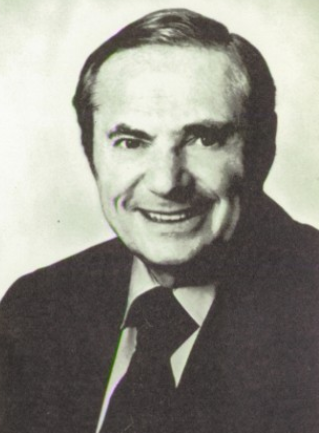
Milton Shapp
U.S.A.

Social Media

Personal Background
Milton Shapp graduated from the Case School of Applied Science with a degree in electrical engineering. He served in the U.S. Army Signal Corps during World War II and later founded Jerrold Electronics Corporation, a pioneering company in the cable television industry. After selling his interest in the company, Shapp transitioned into politics, campaigning for John F. Kennedy and later serving as an advisor to the Peace Corps. His professional background in engineering and business, combined with his military service and entrepreneurial experience, laid a solid foundation for his political career.
Political Ideas
Milton Shapp's political identity is marked by an intriguing blend of progressive advocacy and strategic pragmatism, particularly in his economic and environmental policies. He championed job creation and infrastructure development while simultaneously promoting stringent environmental regulations, revealing a nuanced approach to balancing industrial growth with ecological responsibility. His support for technical education scholarships underscores a commitment to human capital development, yet his simultaneous advocacy for civil rights and equality suggests a broader, inclusive vision for Pennsylvania. Shapp's rhetorical style likely emphasized the interdependence of economic prosperity and social equity, creating a compelling narrative that invites deeper examination of his policy rationales.