Millard Fillmore
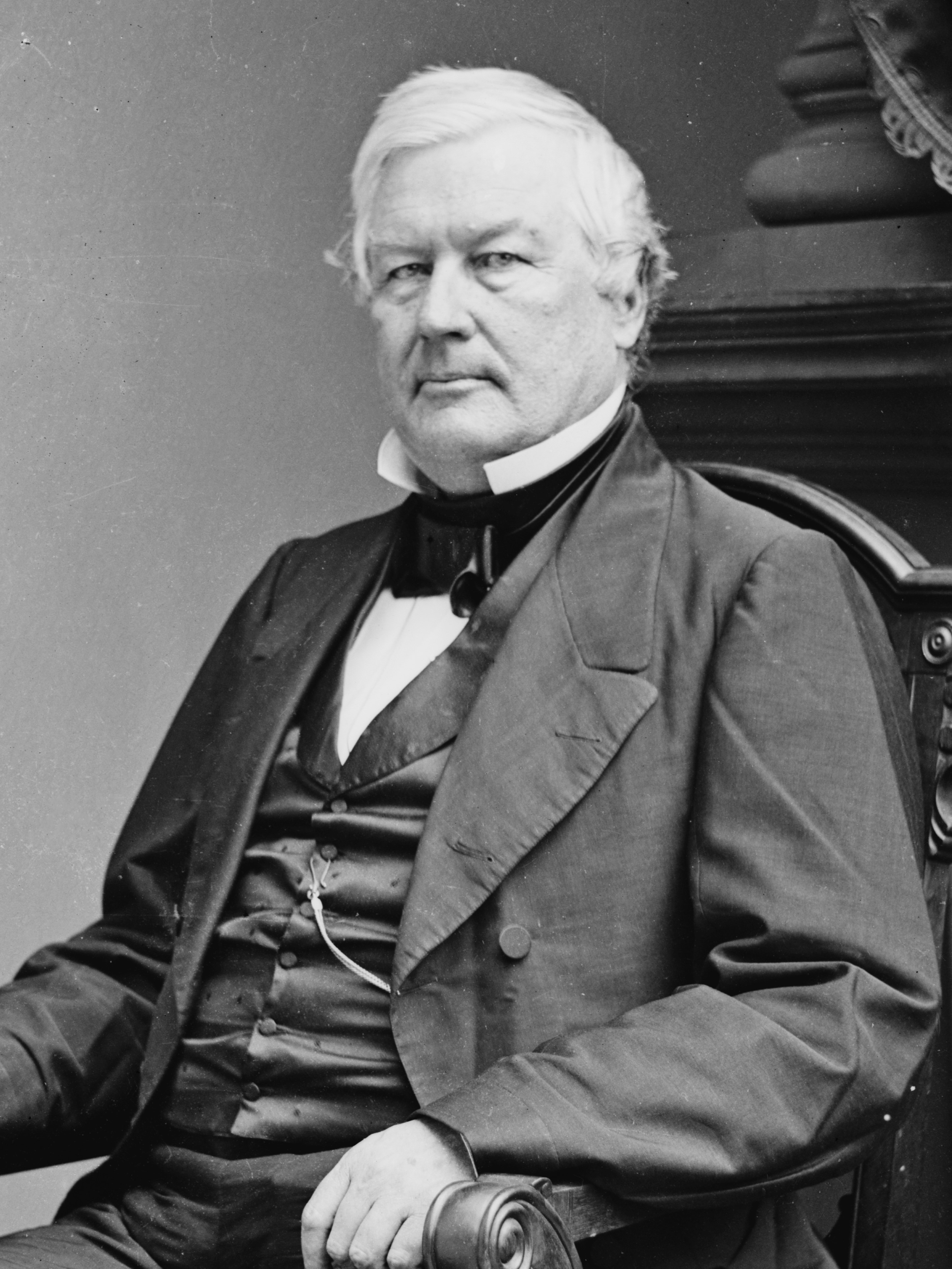
Millard Fillmore
U.S.A.

Social Media

Personal Background
Millard Fillmore's early life was marked by hardship and self-education, transitioning from an apprenticeship to a legal career. He gained prominence as a lawyer and politician in Buffalo, where he contributed to the city's charter and engaged in community service. Fillmore's career included significant roles in state government, such as serving in the New York State Assembly and as Comptroller of New York, where he stabilized the state's currency. His involvement in national politics was notable, particularly his role in the Compromise of 1850 and enforcement of the Fugitive Slave Act. Fillmore's leadership was characterized by efforts to stabilize the national economy and resolve international disputes without conflict.
Political Ideas
Millard Fillmore's political identity is marked by a complex interplay of regional economic pragmatism and a rigid enforcement of national laws on slavery. His legislative record reveals a surprising alliance with opposing factions on environmental regulations, showcasing a highly localized approach to policymaking. Fillmore's rhetorical style often juxtaposes a commitment to regional stability with a controversial enforcement of federal laws, leaving an indelible mark on his legacy.