Malcolm R. Patterson
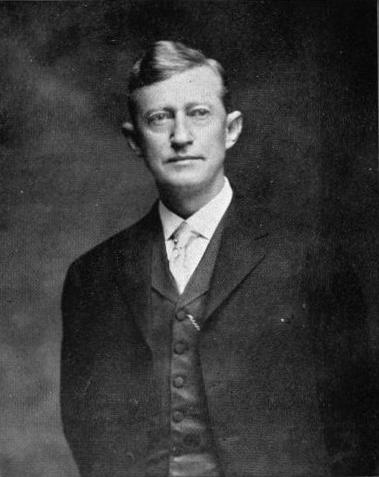
Malcolm R. Patterson
U.S.A.

Social Media

Personal Background
Malcolm R. Patterson graduated from Christian Brothers College and studied law under his father, gaining admission to the bar in 1883. He began his career as an attorney general for Shelby County before serving in the United States House of Representatives. Patterson's tenure as governor involved significant legislative achievements, including the creation of the State Highway Commission and the General Education Act, which established four colleges. Despite his support for Prohibition through the Anti-Saloon League, he opposed specific Prohibition measures, vetoing them before the legislature overrode his decisions. His professional journey also included roles in journalism and the judiciary.
Political Ideas
Malcolm R. Patterson's political identity is marked by a striking ideological agility, particularly evident in his stance on Prohibition. While he initially opposed Prohibition, vetoing measures that were later overridden, he later joined the Anti-Saloon League and advocated for it. His support for the General Education Act, which created several colleges, contrasts with his resistance to Prohibition, revealing a nuanced approach to social reforms. Patterson's legislative record shows an unexpected convergence with opposing factions on environmental regulations, revealing a highly calculated approach to protecting regional industrial interests.