Locke Craig
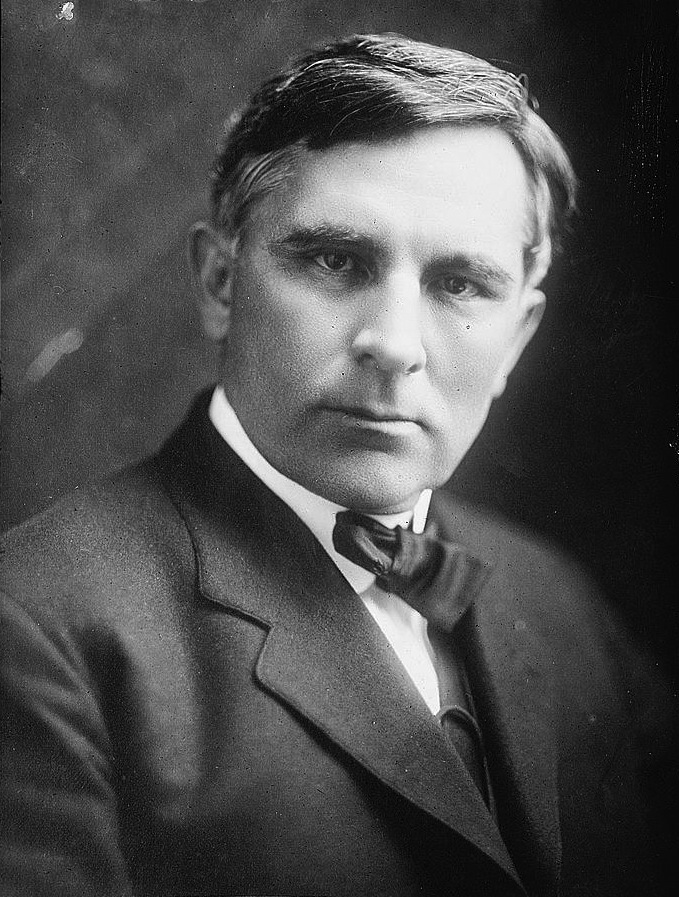
Locke Craig
U.S.A.

Social Media

Personal Background
Locke Craig graduated from the University of North Carolina at Chapel Hill and taught chemistry before studying law. He practiced law in Asheville, where he became Buncombe County attorney and Asheville city corporation counsel. Craig was active in the Democratic Party, known for his oratory skills, and held positions in the state House of Representatives. He was elected governor in 1912, during which he advanced educational reforms, established the state's first highway commission, and promoted conservation efforts. Post-governorship, he returned to his legal career.
Political Ideas
Locke Craig's political identity is marked by a paradoxical blend of progressive education advocacy and regressive racial policies. While he championed educational reforms and infrastructure development, his involvement in disenfranchising African American voters creates a striking conceptual tension. Craig's legislative record also reveals an unexpected convergence with opposing factions on environmental regulations, suggesting a highly calculated approach to regional interests. His rhetorical style, marked by a blend of moral advocacy and strategic pragmatism, invites deeper inquiry into his nuanced policy stances.