Lewis Cass
Report Candidate Issue
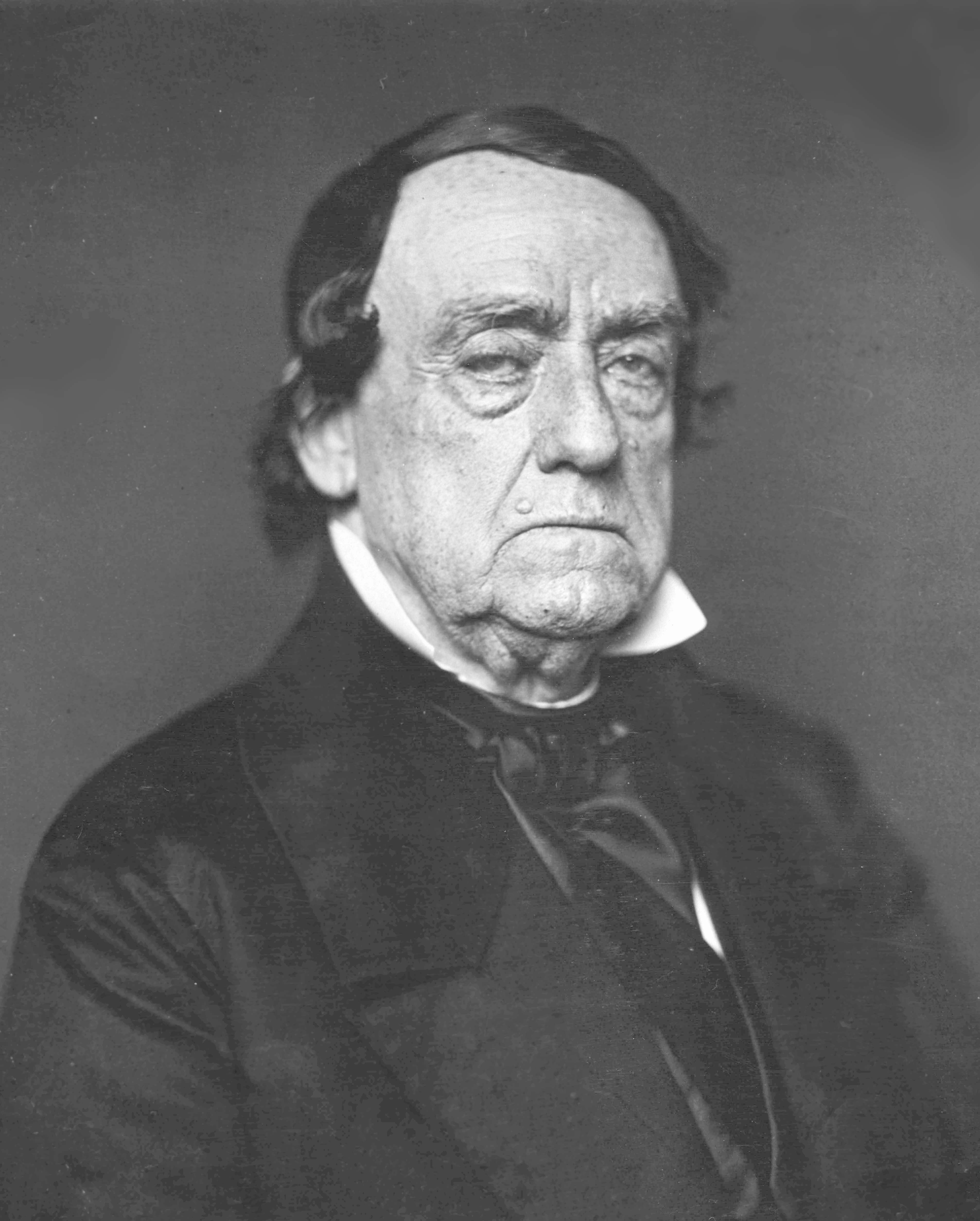
Lewis Cass
U.S.A.

Social Media

Personal Background
Lewis Cass attended Phillips Exeter Academy and studied law, beginning his practice in Zanesville. He held various leadership roles in the Freemasons and was elected to the Ohio House of Representatives. He served as the Governor of Michigan Territory, where he negotiated treaties with Native American tribes and led an expedition to map the northwestern part of Michigan Territory. Cass later became Secretary of War, playing a key role in the Indian Removal Act of 1830. He served as U.S. Minister to France and held multiple terms in the U.S. Senate, including a stint as Secretary of State.
Political Ideas
Lewis Cass's political career is marked by his unwavering advocacy for territorial expansion and his controversial views on race and governance. His support for the Indian Removal Act, grounded in a belief in white superiority, reveals a deeply rooted racial ideology. Despite his involvement in slavery, Cass promoted popular sovereignty, a stance that allowed local populations to decide on the issue, creating a complex tension between his personal beliefs and his policy positions. His foreign policy actions, such as supporting American filibusters and intervening in Latin American affairs, further illustrate his aggressive expansionist agenda.
Campaigns
Election History
United States Senator from Michigan
Election History
U.S.A. President
1,223,460 votes (42.50%)
Election History
United States Senator from Michigan
Election History
2nd Governor of the Michigan Territory
Election History
2nd Governor of the Michigan Territory
Election History
2nd Governor of the Michigan Territory
Election History
2nd Governor of the Michigan Territory
Election History
2nd Governor of the Michigan Territory
Election History
Member of the Ohio House of Representatives
Create an account and provide your Gender info to access this filter.
Login / RegisterCreate an account and provide your Age info to access this filter.
Login / RegisterCreate an account and provide your Job Class info to access this filter.
Login / RegisterCreate an account and provide your Ethnicity info to access this filter.
Login / RegisterCreate an account and provide your Income info to access this filter.
Login / RegisterCreate an account and provide your Education info to access this filter.
Login / RegisterPolitical Leaning
Explore how the Lewis Cass's political views compare to the political party's stances nationwide or the party's stances within their state.
Insufficient data is currently available. Please check back later while we compile updates.
Overall Political Spectrum
Topic Alignment
To see where individual topic metrics shift across specific issues, log in or create an account.