Levi Lincoln Jr.
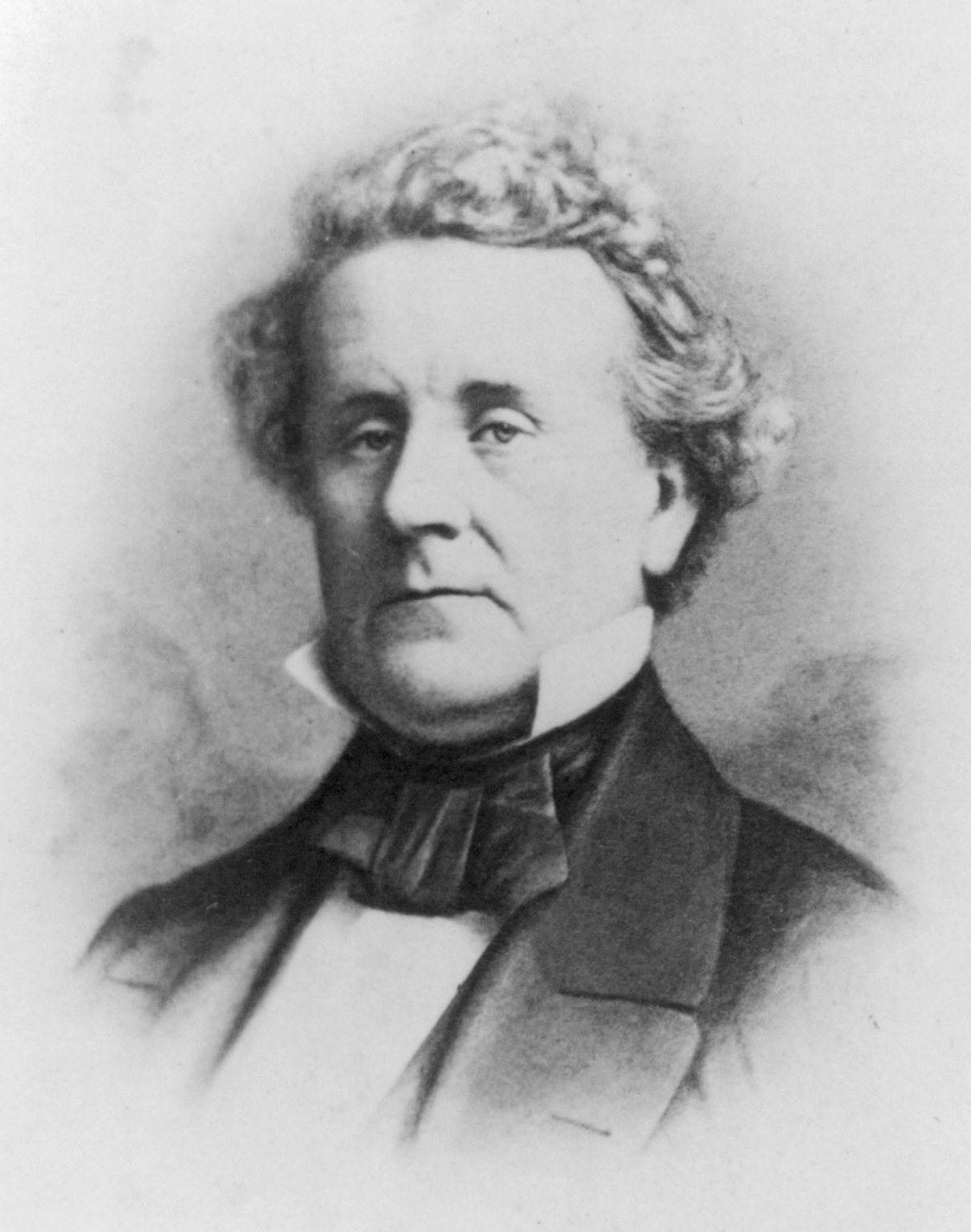
Levi Lincoln Jr.
U.S.A.
Social Media

Personal Background
Levi Lincoln Jr. graduated from Harvard College in 1802 and was admitted to the bar in 1805. He began his political career in the Massachusetts State Senate, supporting the War of 1812, and later transitioned to the Massachusetts House of Representatives. Lincoln held various leadership roles, including lieutenant governor and governor, where he focused on economic development and public works. He played a significant role in establishing the Worcester Lunatic Asylum and proposed the Boston and Worcester Railroad. Lincoln's career also included judicial appointments and service in the House of Representatives.
Political Ideas
Levi Lincoln Jr.'s political career reveals an intriguing blend of progressive infrastructure advocacy and fiscal conservatism. He championed significant public works like the Boston and Worcester Railroad and a canal connecting Boston to the Connecticut River, yet his veto of the Warren Bridge charter highlights a calculated approach to regional economic interests. His support for mental health institutions and teacher education reforms juxtaposes with his resistance to certain private ventures, suggesting a nuanced stance on public versus private sector roles.