Lee Metcalf
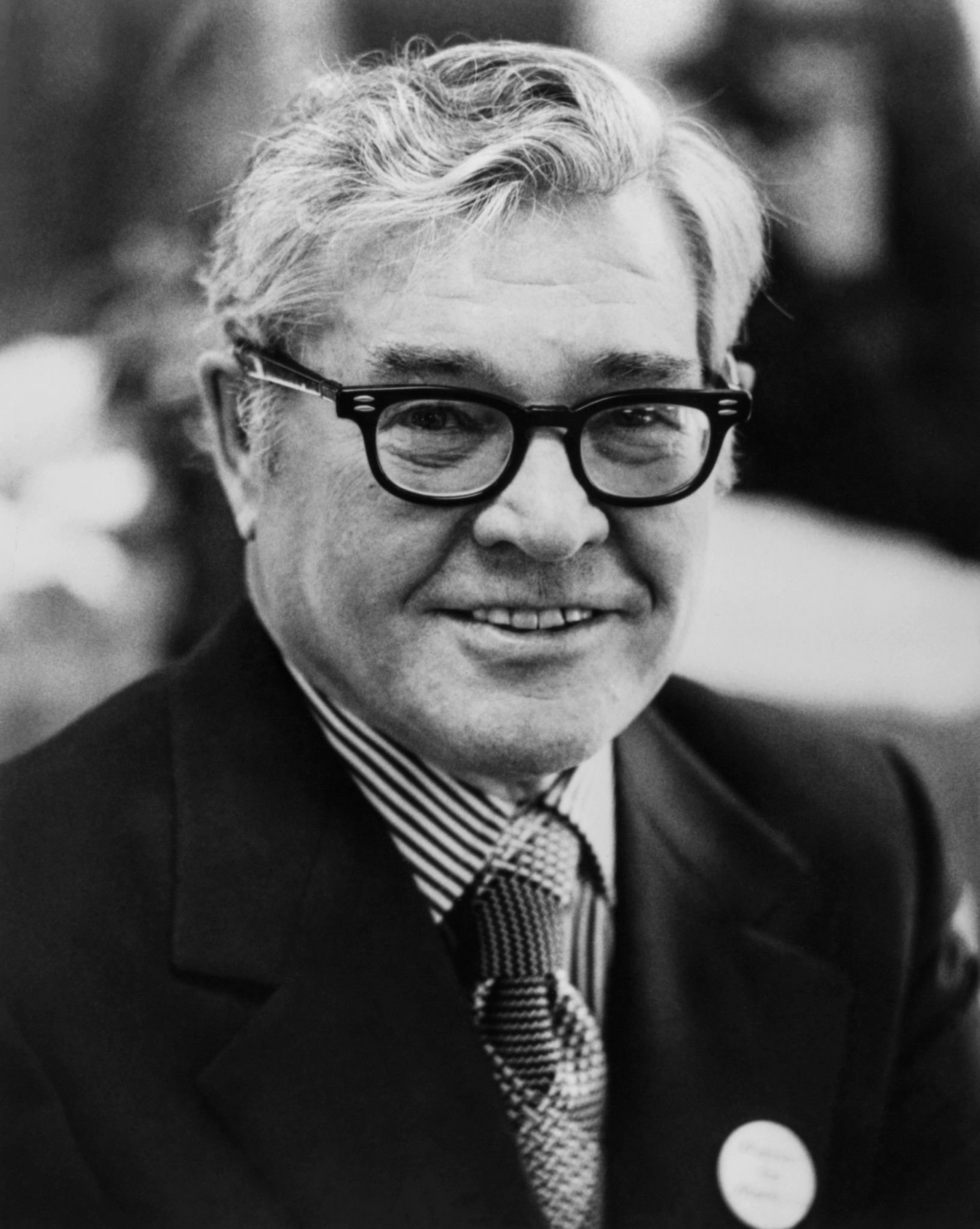
Lee Metcalf
U.S.A.

Social Media

Personal Background
Lee Metcalf holds a robust educational background, having graduated from Stevensville High School and earned degrees in history and economics from Stanford University, followed by a law degree from the University of Montana Law School. Early in his career, he practiced law and transitioned into public service, serving as an assistant attorney general and a state representative. Metcalf's military experience includes participation in World War II, where he was part of the Invasion of Normandy and the Battle of the Bulge, followed by post-war duties in Germany. His legislative career began with the Montana House of Representatives, where he introduced bills on minimum wage and mining employee pay, and continued through his tenure in the U.S. House of Representatives and Senate, where he championed education reform and environmental conservation.
Political Ideas
Lee Metcalf's political identity is marked by a distinctive blend of progressive social policies and staunch environmental advocacy. His legislative efforts to improve education and veterans' benefits coexist with a surprising resistance to certain economic expansions, such as raising grazing permits on federal lands. Metcalf's commitment to conservation is evident in his pioneering work on the Wilderness Act and his "Save Our Streams" bill, showcasing a deeply rooted, almost paradoxical dedication to both human advancement and ecological preservation.