Lee Cruce
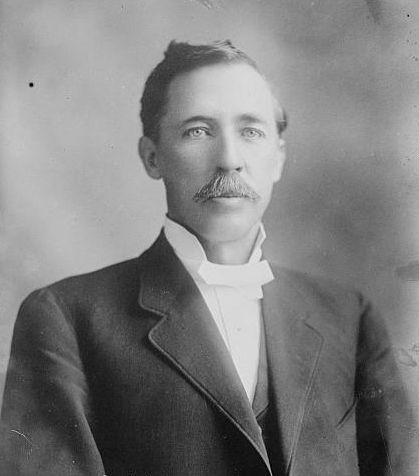
Lee Cruce
U.S.A.

Social Media

Personal Background
Lee Cruce completed his legal education and passed the bar exam, establishing a law practice in Indian Territory. He held leadership roles in banking, including serving as president of a national bank. Cruce's early foray into public service involved a local government position, which laid the groundwork for his gubernatorial ambitions. After a failed attempt, he successfully secured the governorship, during which he established key state institutions and enacted moral legislation. Despite facing legislative challenges and impeachment threats, Cruce continued his career in law and finance post-governorship.
Political Ideas
Lee Cruce's political philosophy is marked by a curious blend of progressive criminal justice reform and staunch moral conservatism. He advocated for abolishing capital punishment while simultaneously enforcing strict blue laws that closed businesses on Sundays and banned activities like gambling and horseracing. Cruce's approach to law and order reveals an unexpected tension between progressive criminal justice and rigid moral legislation, compelling one to question how he reconciles these seemingly contradictory stances. His rhetorical style likely emphasizes a moralistic vision for Oklahoma, intertwining progressive and conservative elements in a unique ideological tapestry.