La Fayette Grover
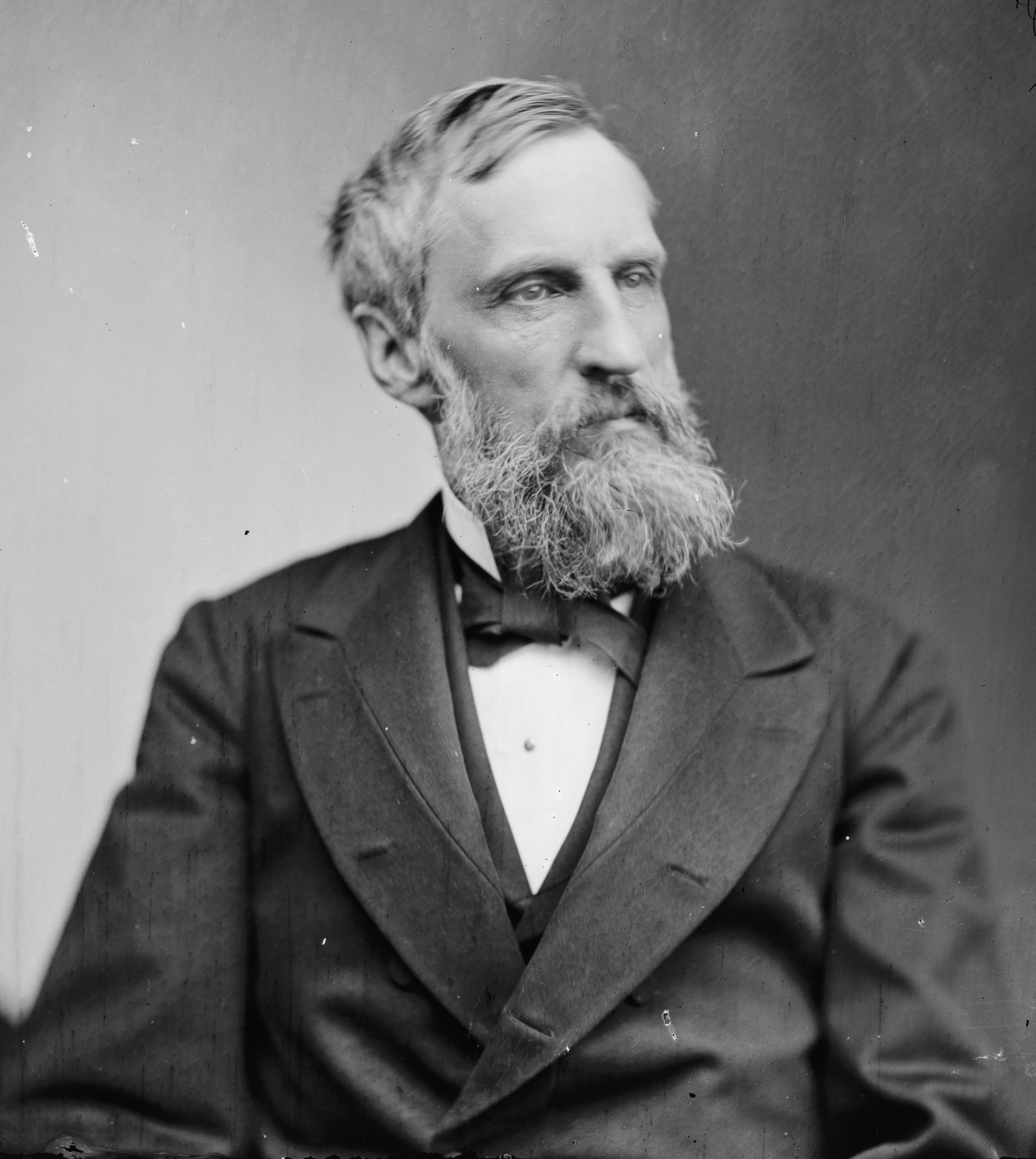
La Fayette Grover
U.S.A.

Social Media

Personal Background
La Fayette Grover completed his preparatory education at Bethel's Gould Academy and earned a degree from Brunswick's Bowdoin College. He pursued a legal career, studying law and gaining admission to the bar in Philadelphia in 1850. Grover relocated to Oregon in 1851, where he established a law practice in Salem. He engaged in public service, serving as prosecuting attorney for Oregon's second judicial district and auditor of public accounts for the Oregon Territory. Grover also held a seat in the Territorial House of Representatives and participated in commissions to audit claims and expenses related to conflicts with Indigenous populations.
Political Ideas
La Fayette Grover's political career is marked by an intricate blend of fiscal responsibility and legal scrutiny, particularly in Indigenous affairs. His roles as prosecuting attorney and auditor of public accounts suggest a meticulous approach to fiscal management, while his commissions to audit Indian war claims reveal a nuanced engagement with the legal repercussions of Indigenous conflicts. Grover's strategic philosophy appears to balance regional economic interests with a critical eye on administrative accountability, presenting a unique tension between economic pragmatism and legal accountability. His rhetorical style likely emphasizes detailed, fact-based arguments, compelling listeners to consider the broader implications of his policy stances.