Knute Nelson
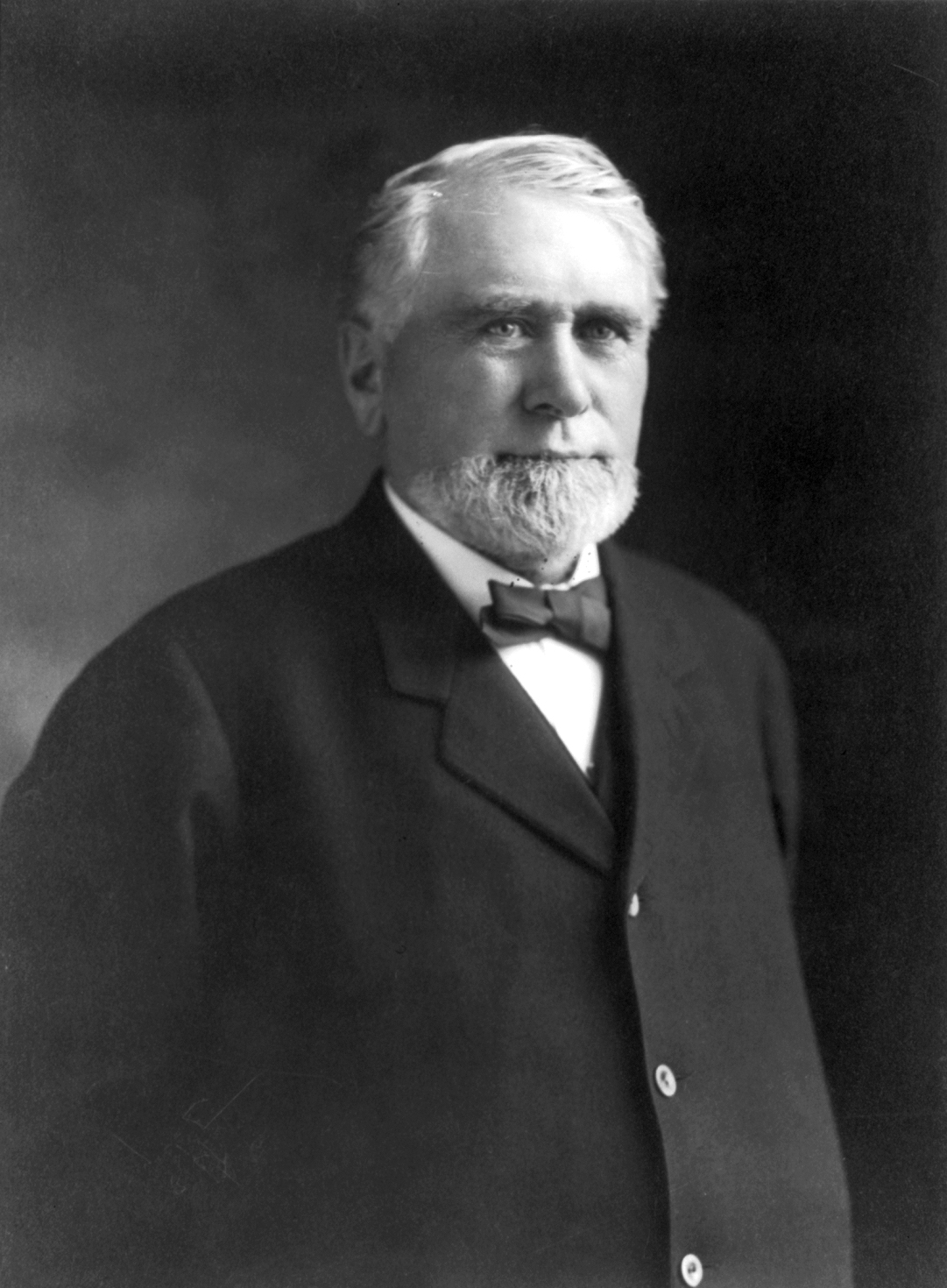
Knute Nelson
U.S.A.

Social Media

Personal Background
Knute Nelson began his journey in Evanger, Norway, before emigrating to the U.S. with his mother, eventually settling in Wisconsin. He pursued education intermittently, eventually becoming a country teacher. During the Civil War, Nelson served in the Union Army, gaining military experience and transitioning to the Republican Party post-war. After establishing a law practice in Minnesota, he became active in local politics, advocating for economic development through the introduction of the railroad. Nelson's educational background and military service laid the groundwork for his later political and legal career.
Political Ideas
Knute Nelson's political identity is marked by an ideological agility that defies traditional party lines, as evidenced by his shift from Democrat to Republican post-Civil War. His advocacy for low tariffs and economic development through railroad expansion in Minnesota reflects a localized, pragmatic approach to economic policy. Nelson's military service and subsequent criticism of Norwegian-American clergy's stance on slavery reveal a deep-seated patriotism that informs his broader political outlook. His dedication to education, both as a beneficiary and promoter, underscores a commitment to Americanization, particularly among Norwegian immigrants.