Kenneth Keating
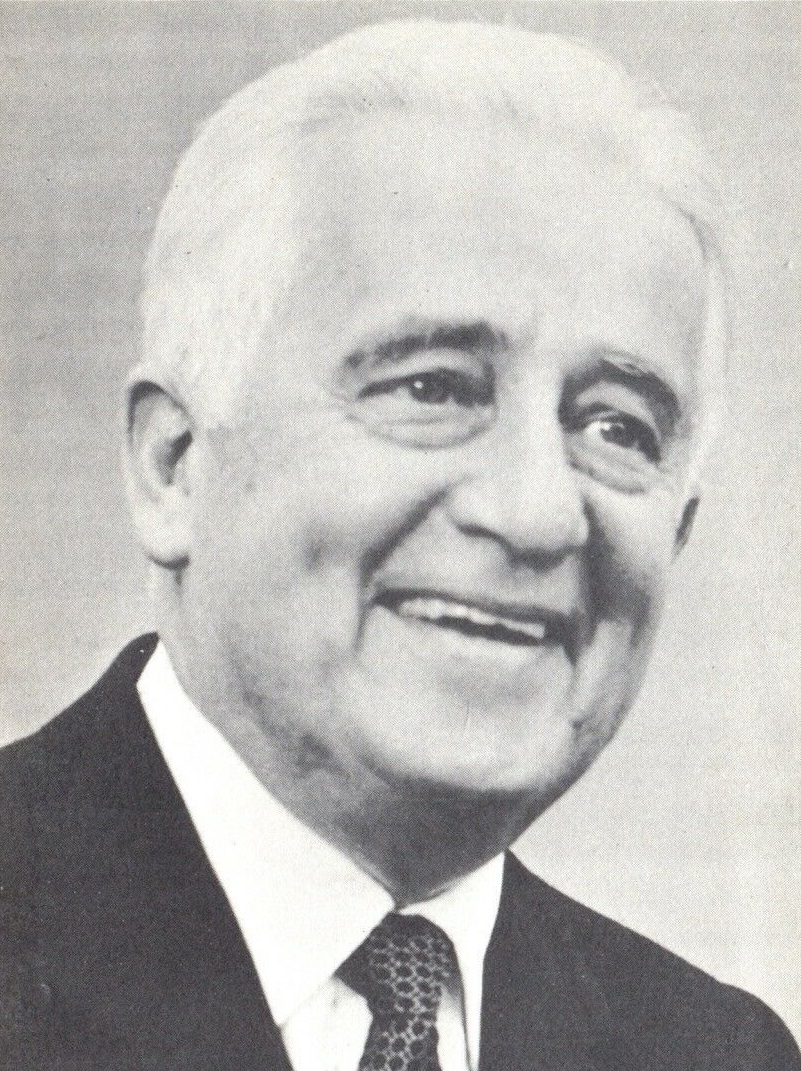
Kenneth Keating
U.S.A.

Social Media

Personal Background
Kenneth Keating completed his undergraduate education at the University of Rochester, where he was a member of Delta Upsilon fraternity and Phi Beta Kappa. He furthered his studies at Harvard Law School, graduating and commencing practice in Rochester. Keating's early career included teaching Latin and Greek, and he served as town attorney for Brighton, New York, during the 1930s. He had a distinguished military career, serving in both World War I and World War II, rising to the rank of brigadier general. Keating's professional experience encompasses both the private and public sectors, with a focus on law and public service.
Political Ideas
Kenneth Keating's political identity is marked by an unexpected blend of staunch anticommunism with progressive civil rights advocacy. His support for the Truman Doctrine and Marshall Plan reveals a commitment to global anticommunist strategies, yet his active role in shepherding the Civil Rights Act of 1957 and 1964 to passage shows a progressive stance on domestic issues. Keating's ideological agility is further evidenced by his support for FBI tactics against organized crime and Communist sympathizers, while simultaneously advancing civil rights legislation.