Joshua Chamberlain
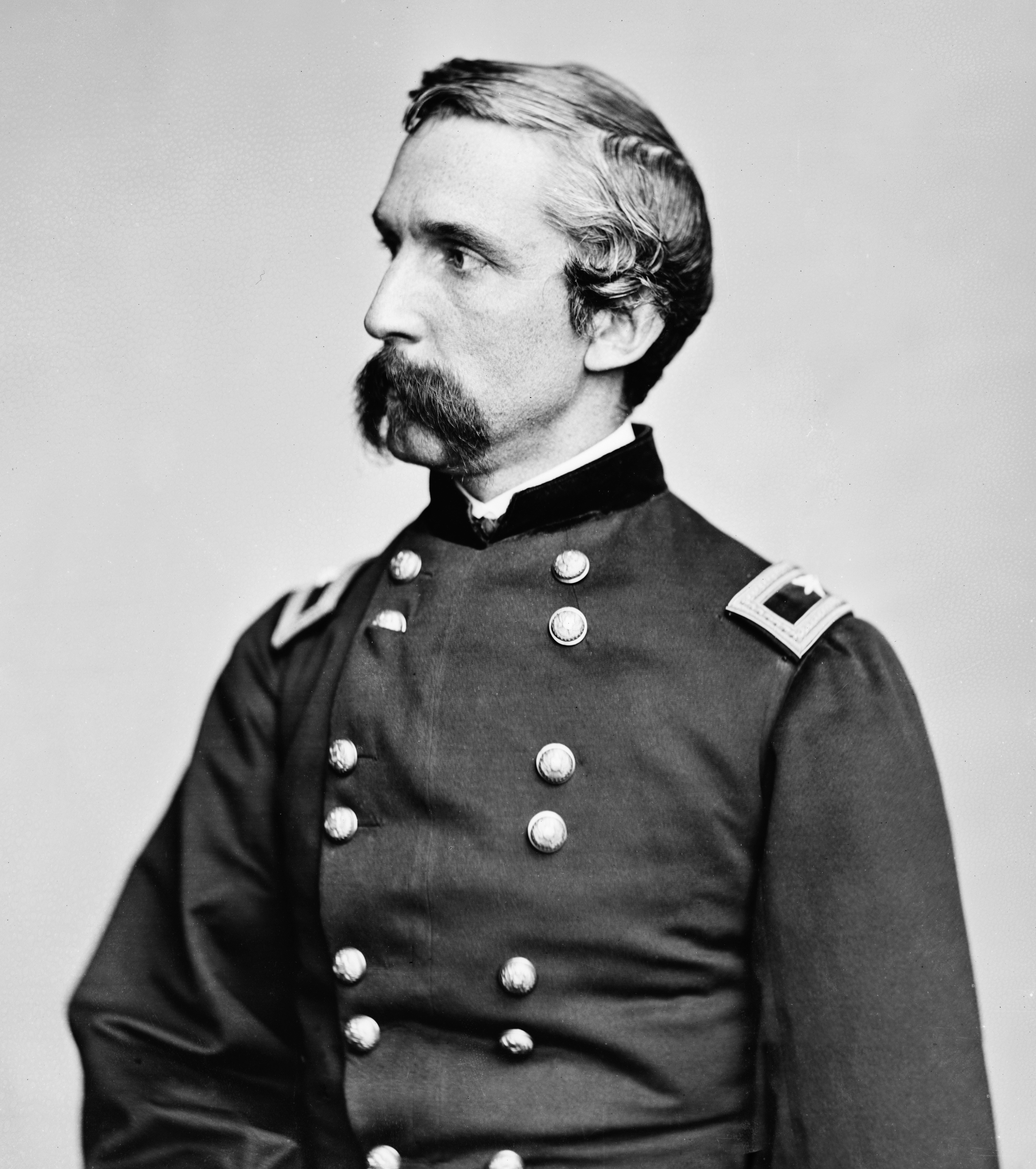
Joshua Chamberlain
U.S.A.

Social Media

Personal Background
Joshua Chamberlain exhibited a robust educational background, having attended Bowdoin College and Bangor Theological Seminary. He transitioned from academia to military service during the Civil War, where he distinguished himself in various battles, most notably at Gettysburg. Post-war, Chamberlain returned to education, serving as President of Bowdoin College. His leadership skills were further evidenced by his tenure as Governor of Maine, where he set records for electoral success despite facing opposition over his policy stances. Later in life, he contributed to veterans' affairs and disability support, founding the Maine Institution for the Blind.
Political Ideas
Joshua Chamberlain's political identity is marked by a blend of principled rigidity and unexpected pragmatism. His staunch support for capital punishment and prohibition enforcement, despite significant opposition, underscores a deeply held moral conviction. However, his refusal to create a special police force for prohibition enforcement reveals a nuanced approach to policy implementation. Chamberlain's dedication to educational reforms and disability support, particularly through the founding of the Maine Institution for the Blind, shows a compassionate yet firm commitment to social causes. His military legacy and advocacy for veterans further complicate his ideological stance, suggesting a complex interplay between duty, morality, and reform.