Joseph Duncan
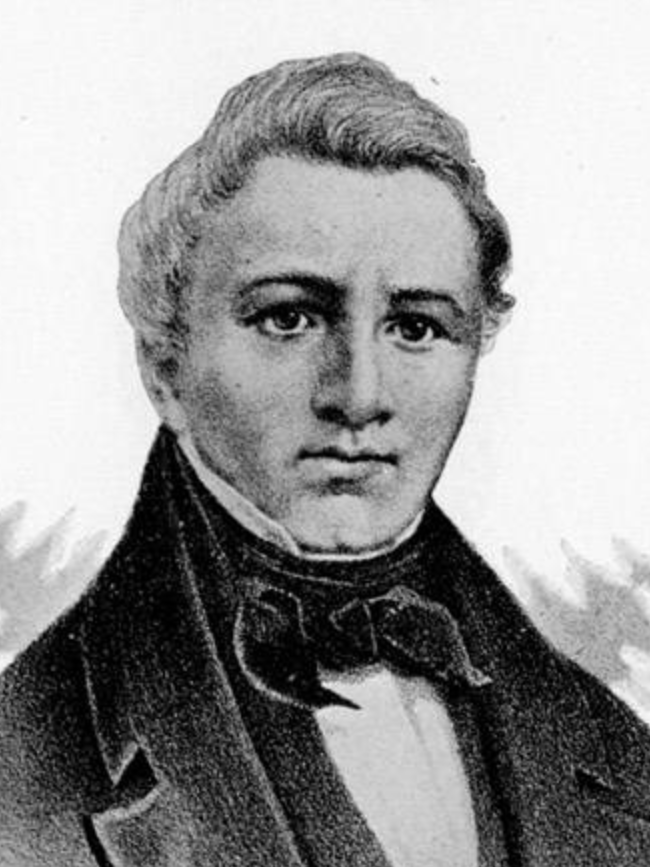
Joseph Duncan
U.S.A.

Social Media

Personal Background
Joseph Duncan established a career marked by significant political transitions and legislative contributions. He began his public service as a member of the Illinois House of Representatives, followed by multiple terms in Congress. His political journey saw him evolve from a Jacksonian Democrat to a Whig, reflecting adaptability and a shifting political landscape. Duncan's tenure as governor was notable for his non-campaign election and controversial decisions, such as relocating the state capital and his stance on the Internal Improvements Act. His professional expertise and leadership were evident in his ability to navigate complex political environments and influence state policy.
Political Ideas
Joseph Duncan's political identity is marked by a distinctive ideological agility, shifting from Jacksonian Democrat to Whig by 1834. His stance on the state Internal Improvements Act reveals a calculated approach to economic policy, initially supporting it but later opposing it due to its financial repercussions. Duncan's decision to relocate the state capital from Vandalia to Springfield, controversially tied to the Act, further illustrates his strategic political maneuvering. His vote to recharter the Bank of the United States in 1834, against his former Democratic party, underscores a willingness to diverge from traditional party lines for perceived greater good.