Jonathan G. Hunton
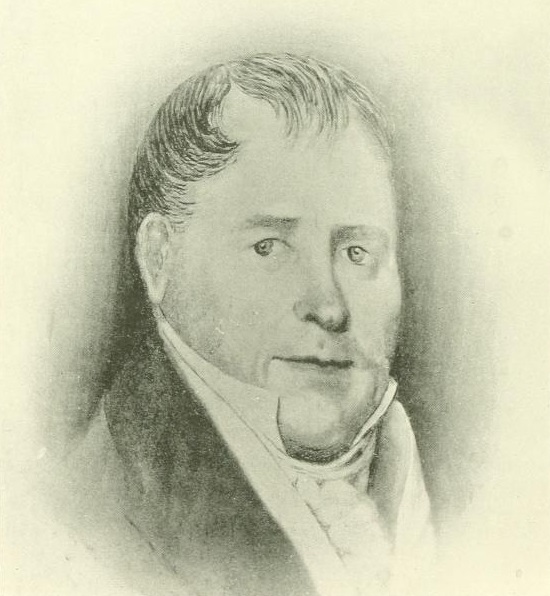
Jonathan G. Hunton
U.S.A.

Social Media

Personal Background
Jonathan G. Hunton began his career in law and later transitioned into public service. He served on the Governor's Executive Council and was elected governor of Maine in 1829. During his tenure, he advocated for significant social reforms, including the establishment of the state's first mental hospital. After his term, Hunton continued his public service in the state legislature. His career reflects a commitment to public service and progressive policy initiatives.
Political Ideas
Jonathan G. Hunton's political identity is marked by an early and consistent focus on mental health infrastructure, a stance that seems progressive for his era. His legislative advocacy for the state's first mental hospital during his brief governorship reveals a forward-thinking approach to social welfare. Hunton's ability to align with progressive causes while navigating a predominantly conservative political landscape showcases an ideologically agile strategy. His policy stances, particularly in mental health, juxtapose his conservative roots with progressive outcomes, raising questions about the underlying motivations and influences shaping his decisions.