John Sevier
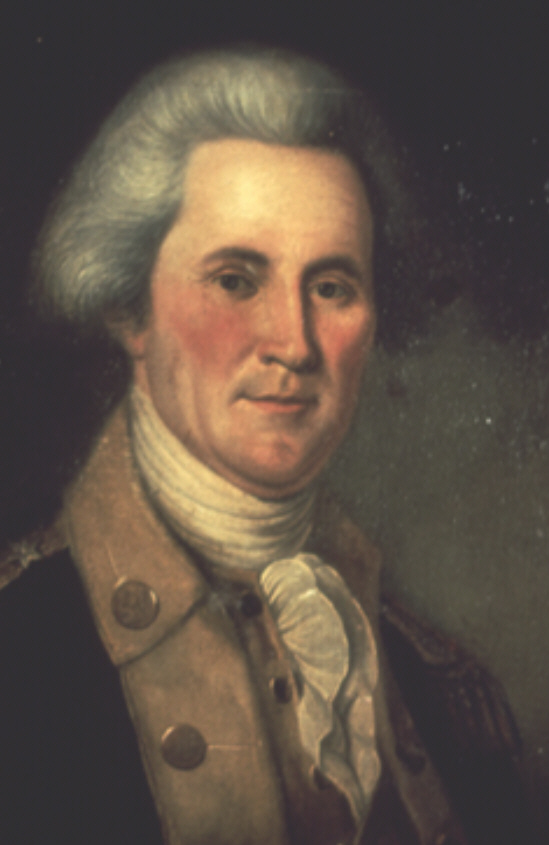
John Sevier
U.S.A.

Social Media

Personal Background
John Sevier exhibited a robust background in leadership and governance, starting with his early military service in the colonial militia. He transitioned into public service roles, including serving as a clerk for the Watauga Association's court and participating in the defense of frontier settlements. Sevier's military experience extended to leading militia forces against Native American threats, culminating in his role as governor of the proposed State of Franklin. His political career included significant involvement in land negotiations and treaties with Native American tribes, as well as serving as the first governor of Tennessee, where he focused on land acquisition and defense. Sevier's family life included two marriages and a large family, with descendants who became notable figures in American history.
Political Ideas
John Sevier's political identity is marked by a distinctive blend of regional exceptionalism and aggressive land acquisition. He championed the expansion of European-American settlement through the acquisition of Indian lands, a stance that reveals a highly localized approach to governance. Sevier's military leadership in defending frontier settlements against Native American attacks underscores his commitment to securing regional interests. His unexpected convergence with opposing factions on environmental regulations hints at a calculated strategy to protect regional industrial interests, showcasing an ideologically agile yet regionally entrenched political philosophy.