John S. Barry
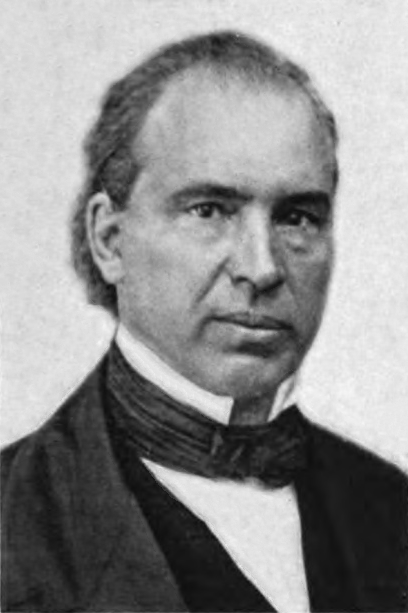
John S. Barry
U.S.A.

Social Media

Personal Background
John S. Barry, a native of New Hampshire, established his foundational career in Vermont, where he taught school, studied law, and practiced law before serving on the Governor’s staff. He moved to Michigan, where he engaged in mercantile activities and local politics, eventually becoming a justice of the peace. Barry played a pivotal role in drafting Michigan's first constitution and was a leader in the state Democratic Party. He served two non-consecutive terms as Michigan's governor, during which he supported significant infrastructural developments, including the expansion of railroads and the establishment of educational institutions. Barry's career also included a focus on sugar beet cultivation and he was an advocate for the Wilmot Proviso, which aimed to restrict the spread of slavery.
Political Ideas
John S. Barry’s political identity is marked by an intriguing blend of regional economic advocacy and progressive governance. He championed sugar beet cultivation and railroad expansion, aligning economic development with infrastructural growth. Barry’s support for the Wilmot Proviso reveals a commitment to anti-slavery principles, yet he remained within the Democratic Party, even aligning with its "ultra" faction during the Civil War. His legislative support for the establishment of educational institutions like the University of Michigan and Eastern Michigan University showcases a forward-thinking approach to governance, balancing regional economic interests with broader educational reforms.