John Owen
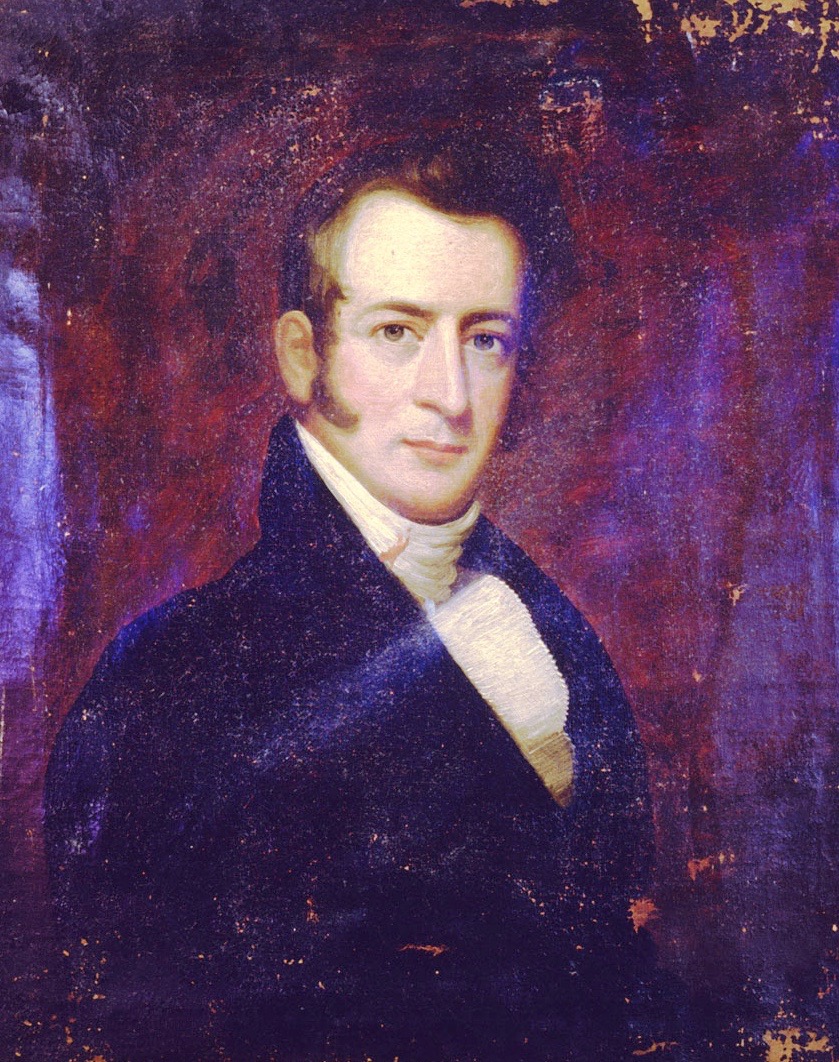
John Owen
U.S.A.

Social Media

Personal Background
John Owen began his career in public service early, elected to the North Carolina House of Commons and later the North Carolina Senate. He held significant roles within the state government, including service on the North Carolina Council of State. Owen's tenure as governor saw him advocate for education, serving as President of the University of North Carolina Board of Trustees. His political journey included affiliations with both the Democratic and Whig parties, culminating in his leadership within the Whig Party and his role in the National Whig Convention.
Political Ideas
John Owen's political career is marked by a distinctive ideological fluidity, shifting from Democratic affiliations to leading roles within the Whig Party. His support for enfranchising land-owning Black citizens and opposition to religious tests for officeholders during the 1835 North Carolina Constitutional Convention reveals a progressive stance on civil rights and religious freedom. Despite his promotion of education and service as the University of North Carolina Board of Trustees President, Owen's calculated approach to regional industrial interests and surprising policy convergences hint at a highly localized political strategy.