John Martin
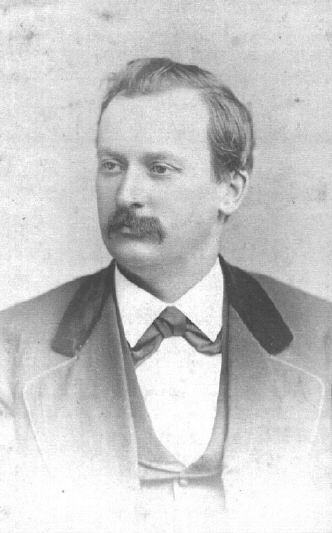
John Alexander Martin
U.S.A.

Social Media

Personal Background
John Martin's background is rooted in a blend of early entrepreneurial experience, military service, and public leadership. He began his career in print media at a young age, later transitioning to political organizing in the Kansas Territory. Martin's military career during the Civil War saw him rise to the rank of colonel, culminating in a brevet of brigadier general for distinguished service. Post-war, he returned to journalism and public service, serving as mayor and later as Governor of Kansas, where he focused on educational reform and women's suffrage. His leadership roles extended to various state and national organizations, showcasing a commitment to public service and civic development.
Political Ideas
John Martin's political identity is marked by a striking ideological agility, particularly evident in his shift from a non-prohibitionist to a staunch prohibitionist during his governorship. His strategic approach to public office management reveals a calculated effort to balance regional interests with broader policy goals, as seen in his handling of the Missouri Pacific Railroad strike. Martin's support for women's suffrage in 1887, coupled with his commitment to educational and infrastructural development, showcases an unexpected combination of progressive and conservative stances.