John Garland Pollard
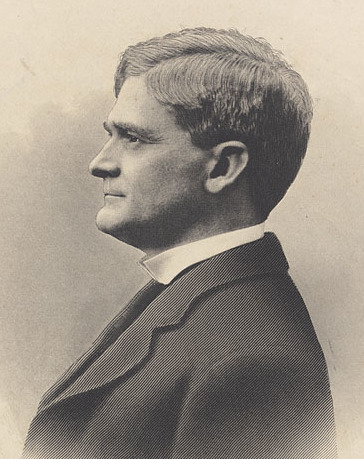
John Garland Pollard
U.S.A.

Social Media

Personal Background
John Garland Pollard graduated from Columbian College in 1893 and was admitted to the Virginia bar the same year. He began his legal career with his uncle in Richmond and later became a delegate to the Virginia Constitutional Convention. Pollard authored a significant legal annotation of Virginia's law and held leadership roles in various civic organizations. He served as Attorney General of Virginia, where he advocated for election law reform and increased public education funding. Pollard's career included a stint at the Federal Trade Commission and he became the first Dean of the Marshall Wythe School of Citizenship and Government at the College of William and Mary. As Governor of Virginia, he navigated the state through the early years of the Great Depression, implementing fiscal measures that included wage cuts and service reductions. Pollard also played a role in cultural and historical preservation, contributing to the restoration of Colonial Williamsburg and the establishment of the Virginia Museum of Fine Arts.
Political Ideas
John Garland Pollard's political identity is marked by a blend of progressive social reforms and fiscal conservatism. His advocacy for Prohibition and increased public education funding reveals a socially progressive streak, yet his actions during the Great Depression, including cutting state employee wages and reducing services, highlight a fiscally conservative approach. Pollard's unexpected support for legalizing beer, which led to the ratification of the 21st Amendment, underscores a calculated strategy to balance ideological consistency with practical governance. His urban planning initiatives, like the development of Chandler Court and Pollard Park, showcase a forward-thinking yet historically rooted vision.