John Floyd
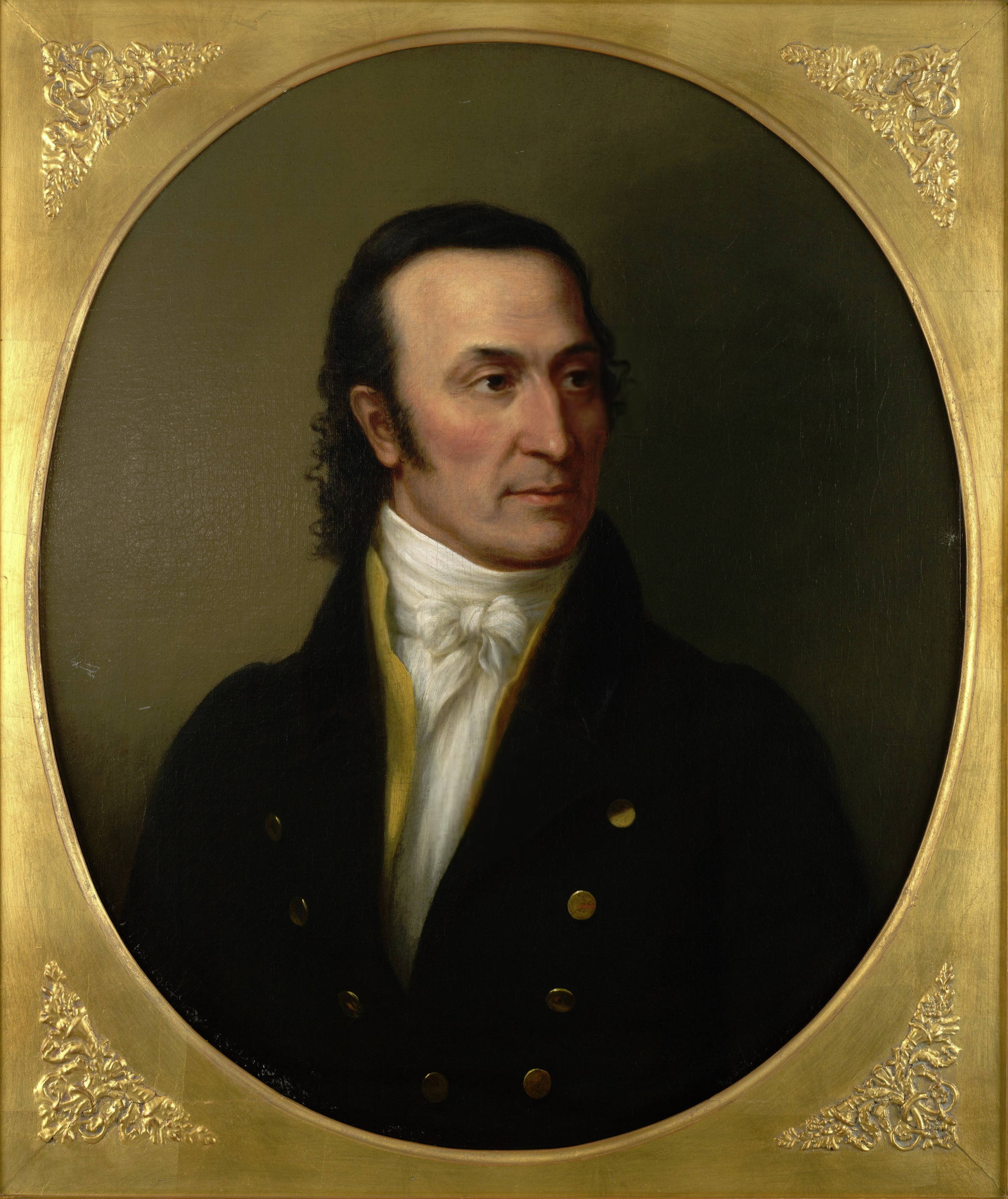
John Floyd
U.S.A.

Social Media

Personal Background
John Floyd pursued a rigorous educational path, beginning with studies at Dickinson College before transferring to the University of Pennsylvania, where he graduated with a medical degree. His early career included service as a Justice of the Peace and a surgeon in the Virginia State Militia, culminating in a promotion to brigadier general. Floyd's political career was marked by his service in the Virginia House of Delegates and the United States House of Representatives, where he advocated for state-federal coordination in defense and supported the recognition of Argentina's independence. His leadership roles and military background provided a strong foundation for his political endeavors.
Political Ideas
John Floyd's political identity is marked by a strategic blend of regional defense coordination and state's rights advocacy, juxtaposed with an unexpected support for foreign independence movements. His defense of General Andrew Jackson's actions during the First Seminole War reveals a calculated approach to military authority, while his silence on the Missouri statehood debate coupled with opposition to anti-slavery forces highlights a nuanced stance on slavery. Floyd's later conversion to Catholicism, following his daughter's lead, adds another layer of complexity to his ideological positioning.