John F. Shelley
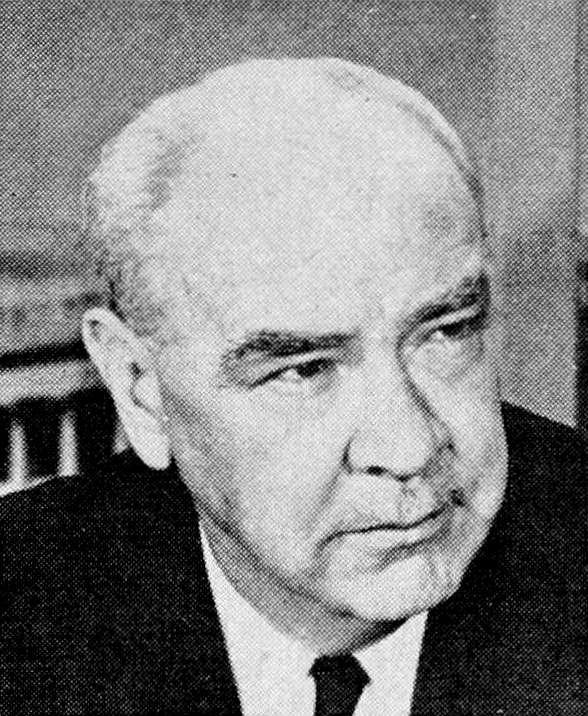
John F. Shelley
U.S.A.

Social Media

Personal Background
John F. Shelley's foundational background is rooted in a rigorous educational path and a career marked by union leadership and public service. He attended Mission High School, where he was elected student body president, and later studied law at the University of San Francisco, earning his law degree. Early in his career, Shelley became a business agent for a union, rising to significant leadership roles within the AFL. His tenure included organizing agricultural and cannery workers and resolving labor disputes. During World War II, he served in the United States Coast Guard. Shelley's public service career included positions in the California State Senate and the United States House of Representatives, culminating in his election as Mayor of San Francisco.
Political Ideas
John F. Shelley's political career reveals a unique blend of labor advocacy and progressive civil rights support, tempered by a cautious approach to urban development. His early union activities and role in supporting Washington state's minimum wage highlight a commitment to workers' rights, while his pivotal role in the 1948 Democratic National Convention underscores a progressive stance on civil rights. However, his aggressive opposition to certain urban developments suggests a complex relationship with modernization and community change. Shelley's handling of the 1966 Bayview-Hunters Point riots and subsequent appointment of Terry Francois as the first African-American supervisor indicate a nuanced approach to race and public safety.