John F. Kennedy
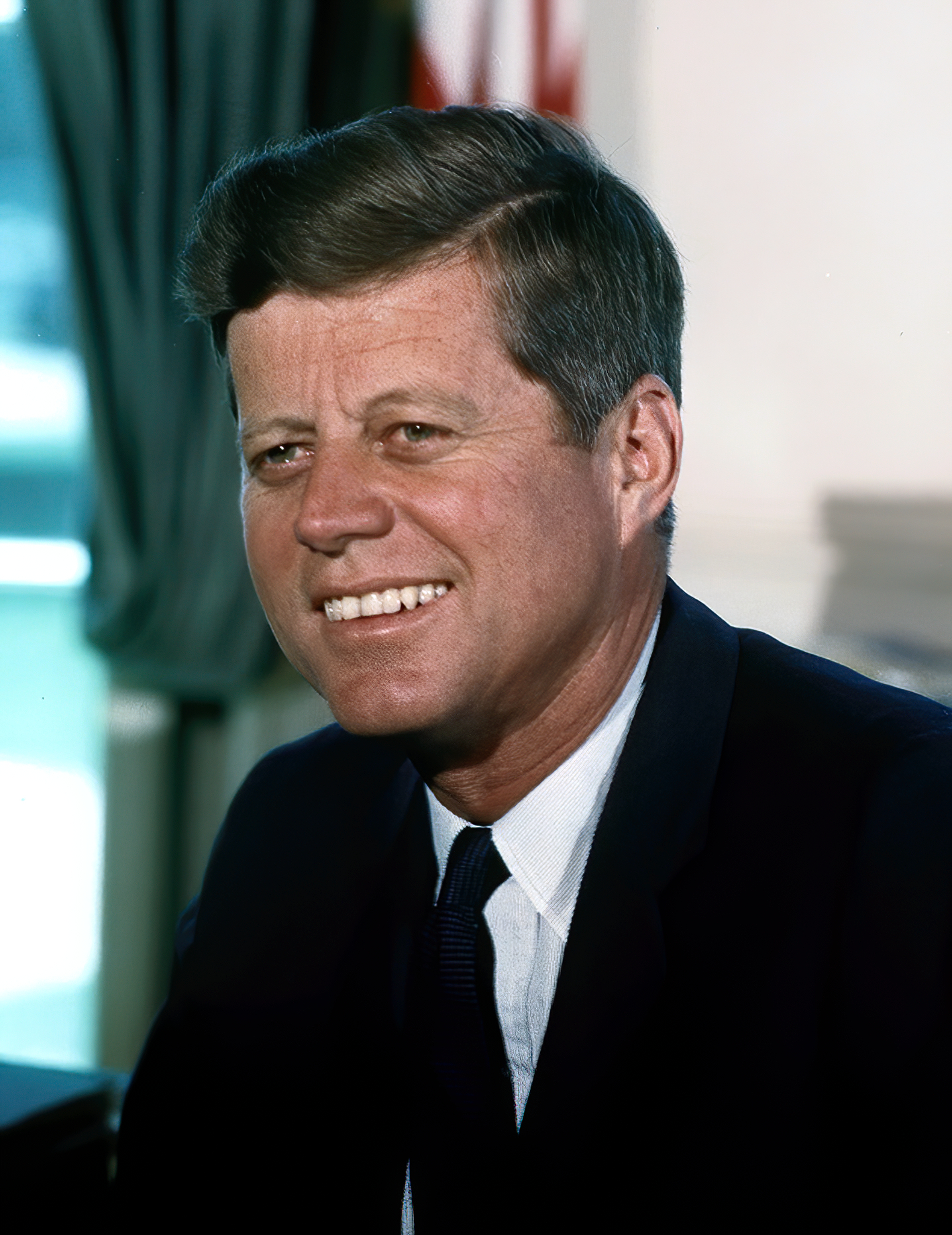
John F. Kennedy
U.S.A.

Social Media

Personal Background
John F. Kennedy completed his undergraduate education at Harvard, graduating cum laude. He gained early political exposure through family connections and international experience, including work at a U.S. embassy and extensive travel abroad. Kennedy served in the U.S. Naval Reserve during World War II and subsequently worked as a journalist. He transitioned to public service, holding positions in both the U.S. House of Representatives and Senate. His professional background includes investigating labor issues and advocating for economic development and national defense.
Political Ideas
John F. Kennedy's political identity is marked by a blend of progressive economic policies and cautious foreign interventions. His support for protective tariffs and economic aid to Massachusetts industries contrasts with his backing of the Truman Doctrine and nonmilitary techniques against Soviet influence. Kennedy's legislative record reveals an unexpected convergence with opposing factions on environmental regulations, indicating a highly calculated approach to regional industrial interests. His nuanced stance on civil rights, including voting against the Civil Rights Act of 1957 yet supporting its Title III, showcases a complex ideological positioning.