John Dickinson
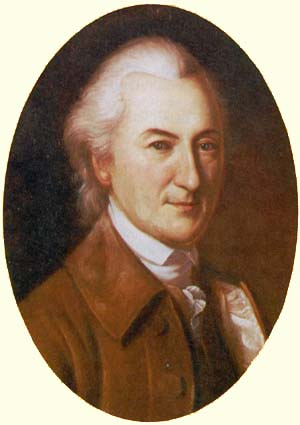
John Dickinson
U.S.A.

Social Media

Personal Background
John Dickinson was born into a prominent family with significant landholdings in Maryland and Delaware. He received a rigorous education, studying under notable figures such as Francis Alison and William Killen, and later pursued legal studies in Philadelphia and London. Dickinson transitioned from a career in law to public service, where he became a chief executive of both Delaware and Pennsylvania. His political writings, particularly his opposition to the Townshend Acts, established him as a significant voice in colonial America. Dickinson's legacy is marked by his contributions to education, with institutions named in his honor, and his principled stance on issues such as taxation and war.
Political Ideas
John Dickinson's political identity is marked by an ideological agility that blends conservative principles with progressive stances on gender equality. His opposition to the Townshend Acts reveals a nuanced understanding of economic regulation, advocating for colonial rights within the British Empire. Dickinson's refusal to sign the Declaration of Independence highlights a preference for diplomacy over conflict, influenced by his Quaker background. His early feminist views and efforts to incorporate gender-inclusive language in foundational documents showcase an unexpected progressive streak, challenging traditional gender roles of his time.