John C. Frémont
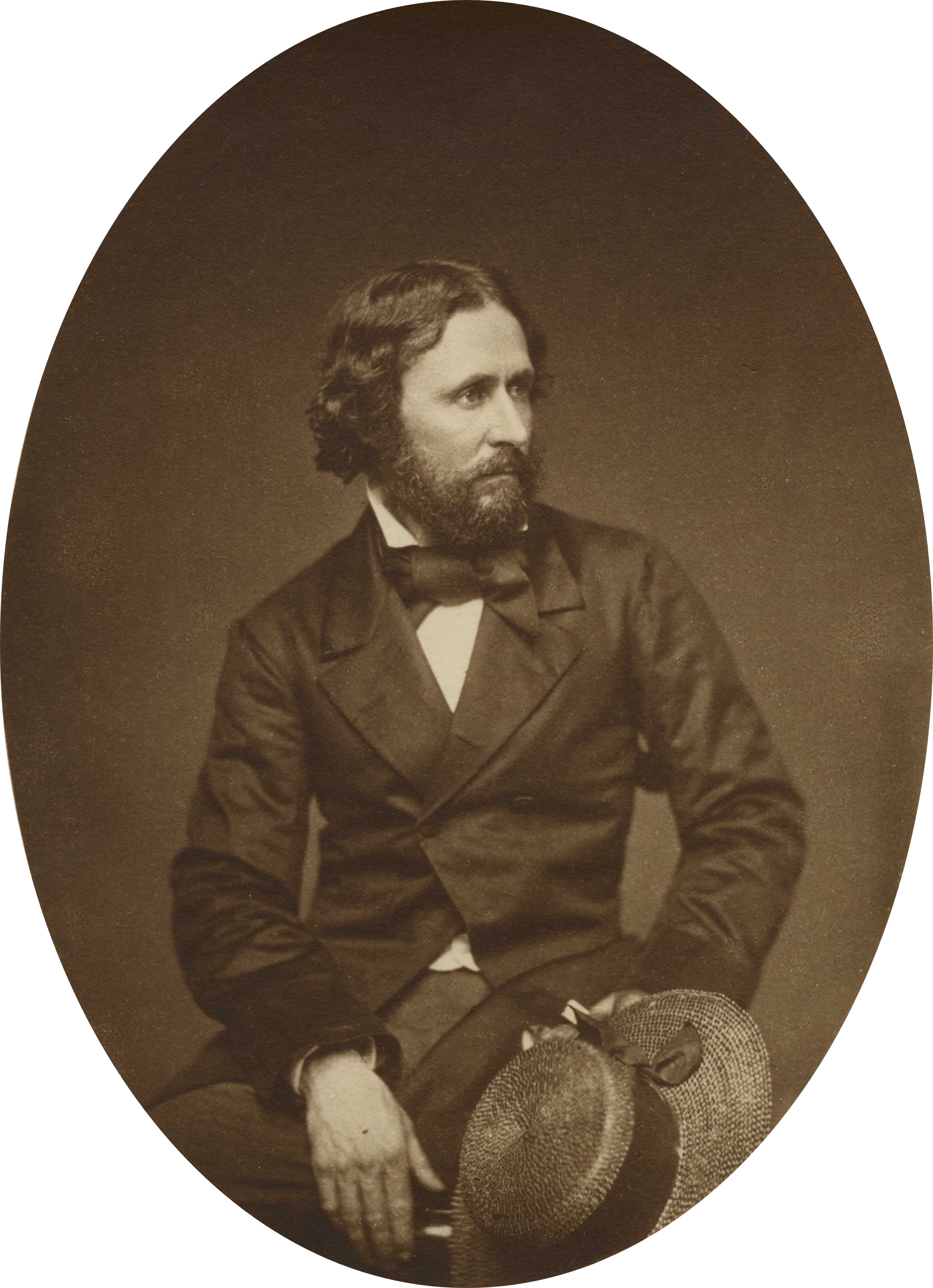
John C. Frémont
U.S.A.

Social Media

Personal Background
John C. Frémont began his career as an explorer and surveyor, gaining early experience aboard the USS Natchez. He later assisted in mapping the American West, which led to his role as "The Pathfinder." Frémont's military career included significant actions during the Mexican–American War, where he played a pivotal role in the Bear Flag Revolt and subsequent capture of California cities. His expeditions contributed to the exploration and mapping of the American West, and he advocated for the construction of a transcontinental railroad. Frémont's political career saw him become the first Republican presidential candidate, and he later served as governor of the Arizona Territory.
Political Ideas
John C. Frémont's political identity is marked by his blend of exploration and expansionist ideology, which he often justified through a lens of national progress. His advocacy for a transcontinental railroad and opposition to the spread of slavery into the West reveals a complex stance that balances economic growth with moral considerations. Frémont's military leadership during the Mexican–American War and his subsequent dismissal for insubordination during the Civil War showcase a pattern of ideological rigidity clashing with military discipline. His financial gain from the California Gold Rush and legal battles over his land holdings further complicate his legacy, suggesting a deeply personal stake in the westward expansion narrative.