John C. Calhoun
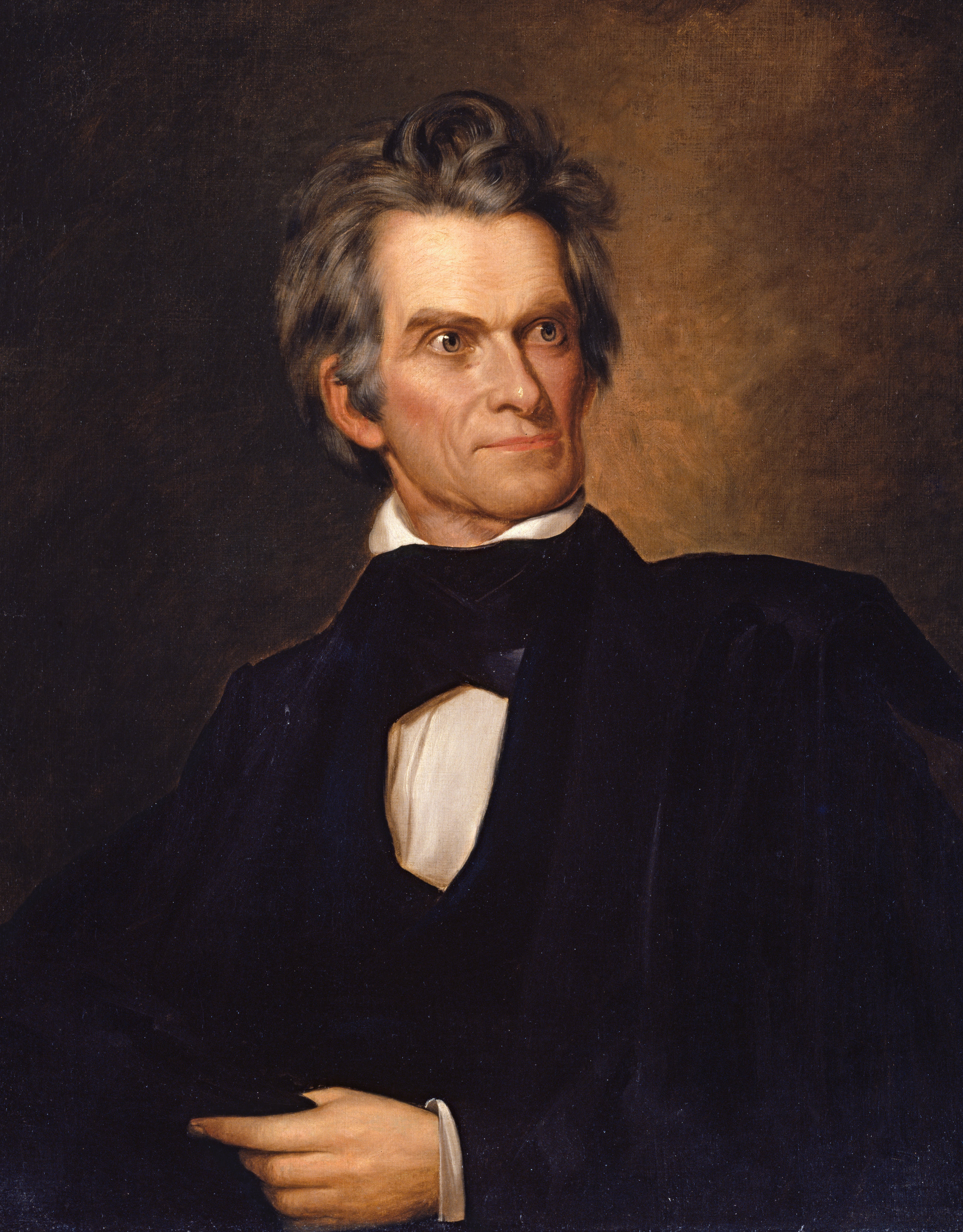
John C. Calhoun
U.S.A.

Social Media

Personal Background
John C. Calhoun graduated as valedictorian from Yale College and was admitted to the South Carolina bar in 1807. He held the position of Secretary of War, during which he established the Bureau of Indian Affairs and proposed relocating eastern Indians to western reservations. Calhoun served in the U.S. Senate, where he opposed Jackson's removal of federal funds from the Second Bank of the United States and later voted to censure Jackson. He was a proponent of national economic reforms, including an effective navy, a standing army, and a system of internal taxation. Calhoun also played a significant role in Indian affairs, negotiating and ratifying numerous treaties with Indian tribes.
Political Ideas
John C. Calhoun's political identity is marked by a complex interplay between fervent nationalism and staunch states' rights advocacy. His strategic philosophy often reveals an unexpected alignment with opposing factions on specific issues, such as his support for national economic modernization juxtaposed with his fierce defense of state sovereignty. Calhoun's rhetorical style is deeply rooted in constitutionalism, emphasizing the protection of regional interests through calculated policy choices. His legislative record shows a surprising convergence with opposing factions on environmental regulations, revealing a highly localized approach to national issues.