John Albert Johnson
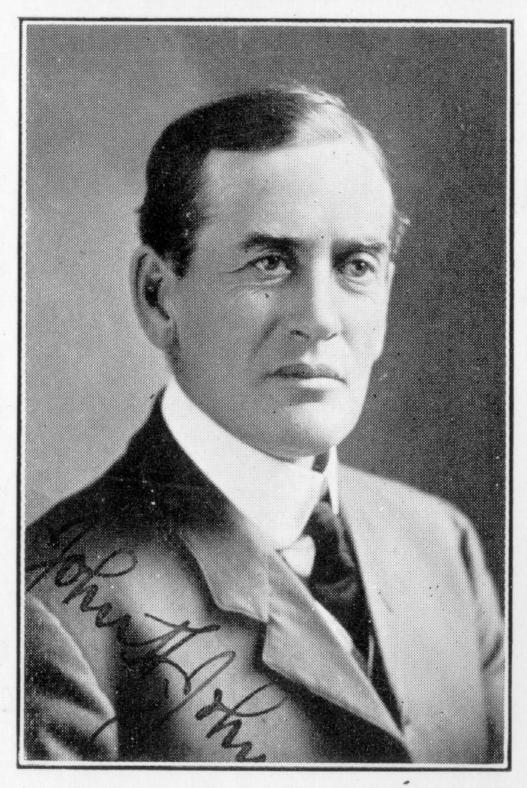
John Albert Johnson
U.S.A.

Social Media

Personal Background
John Albert Johnson began his career in the Minnesota National Guard, rising to the rank of captain. After leaving formal education early to support his family, he gained experience in various roles before entering politics. Johnson was elected to the state senate, demonstrating a growing bipartisan appeal. He served as governor, during which he implemented significant reforms, including extending the governor's term, increasing funding for infrastructure and education, and reducing railroad rates. His leadership was marked by a strong stance against the death penalty, commuting all death sentences during his tenure.
Political Ideas
John Albert Johnson's political identity is marked by a blend of progressive economic reforms and a principled stance against capital punishment. His tenure as governor saw a calculated extension of executive terms and increased legislative power to tax, revealing a strategic approach to governance. Johnson's surprising opposition to the death penalty, even to the point of commuting all death sentences, showcases a deeply held moral conviction that contrasts with his otherwise pragmatic economic policies. This tension between progressive governance and moral absolutism invites deeper inquiry into his ideological underpinnings.