John A. Quitman
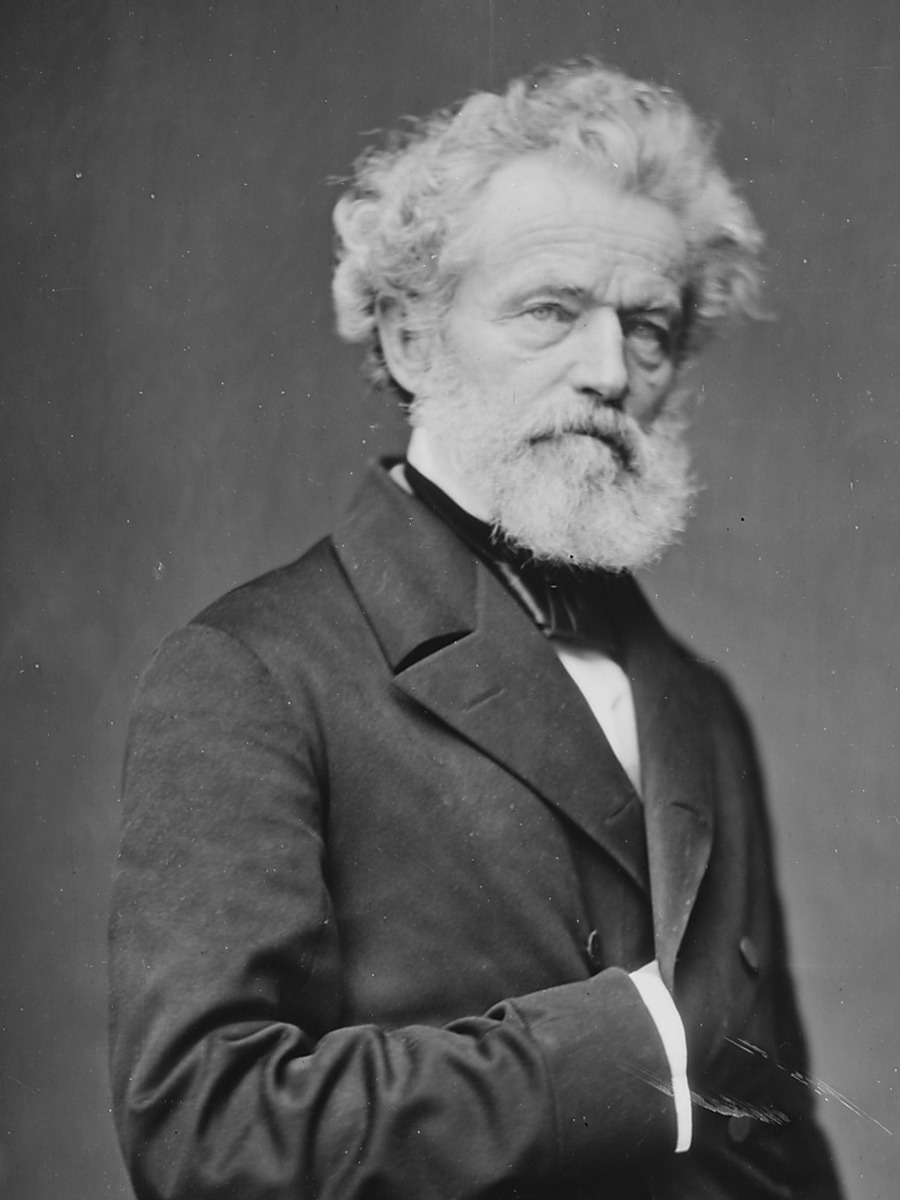
John A. Quitman
U.S.A.

Social Media

Personal Background
John A. Quitman graduated from Hartwick Seminary and was admitted to the bar in 1820. He relocated to Natchez, Mississippi, where he engaged in various plantation acquisitions and management. Quitman held several significant political positions in Mississippi, including serving in the state House of Representatives, the state Senate, and as governor. His military career included commanding roles during the Mexican-American War and participation in the Aztec Club of 1847. Quitman also had a notable stint in the United States Congress, where he chaired the House Committee on Military Affairs.
Political Ideas
John A. Quitman's political identity is marked by a blend of regionalism and expansionism, as seen in his advocacy for territorial acquisition and his military exploits. His legislative efforts to repeal sections of the Neutrality Act of 1818 reveal a calculated desire to annex Cuba, showcasing a strategic vision that marries economic ambition with military ambition. Quitman's rhetorical style is steeped in a militant nationalism, often framing issues through the lens of territorial conquest and regional dominance.