Jim Hogg
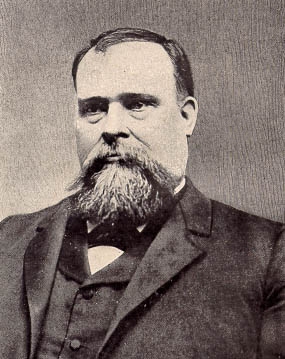
James Stephen Hogg
U.S.A.

Social Media

Personal Background
Jim Hogg began his career in journalism before transitioning to public service, where he gained a reputation for his commitment to progressive reforms. He served as an attorney and Justice of the Peace, eventually becoming the state Attorney General, where he focused on railroad regulation and antitrust laws. Hogg's tenure as Governor of Texas saw significant legislative achievements, including the establishment of the Railroad Commission and the passage of laws to regulate corporate land sales and bonds. After his governorship, he continued to influence public policy, advocating for the Panama Canal and founding a major oil company. His dedication to public service and regulatory reform established a lasting legacy in Texas.
Political Ideas
Jim Hogg's political identity is marked by a surprising blend of progressive reforms and staunch corporate regulation, often aligning with opposing factions to achieve his goals. His tenure as Attorney General saw him sue powerful rail magnates while simultaneously advocating for progressive economic policies. Hogg's establishment of the Railroad Commission of Texas demonstrates a calculated approach to balancing industrial interests with public welfare. His environmental advocacy for pecan trees, which later became the state tree, adds an unexpected layer to his otherwise industry-focused policies.