Jeremiah Smith
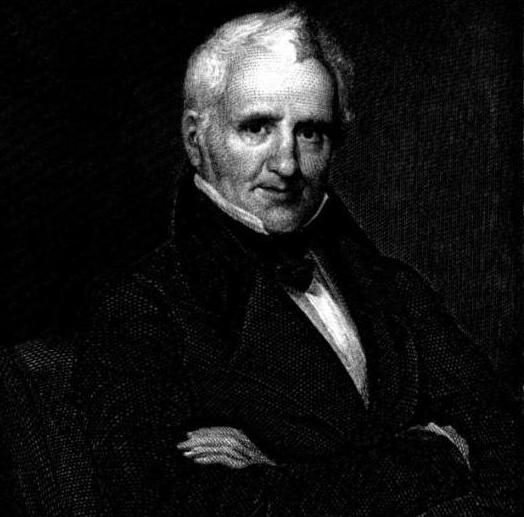
Jeremiah Smith
U.S.A.

Social Media

Personal Background
Jeremiah Smith graduated from Queen's College and studied law, gaining admission to the bar in 1786. He began his career in public service, holding various local and state positions, including a stint in the New Hampshire House of Representatives. Smith was elected to the United States House of Representatives, where he chaired the Committee on Revisal and Unfinished Business. He transitioned to federal judicial roles, serving on the United States Circuit Court and as a state chief justice. Smith also held leadership positions in private and educational sectors, including a bank presidency and trusteeship at Phillips Exeter Academy.
Political Ideas
Jeremiah Smith's political identity is marked by a blend of traditionalism and progressive judicial reforms. He consistently advocated for education, as evidenced by his roles in teaching and school administration, yet he struggled with the rigid religious requirements in state governance. Smith's judicial career, spanning various high courts, reveals a calculated approach to balancing regional interests with broader legal principles. His unexpected alignment with opposing factions on certain legislative issues, such as the impeachment of Woodbury Langdon, highlights a nuanced, ideologically agile strategy.