James Williams
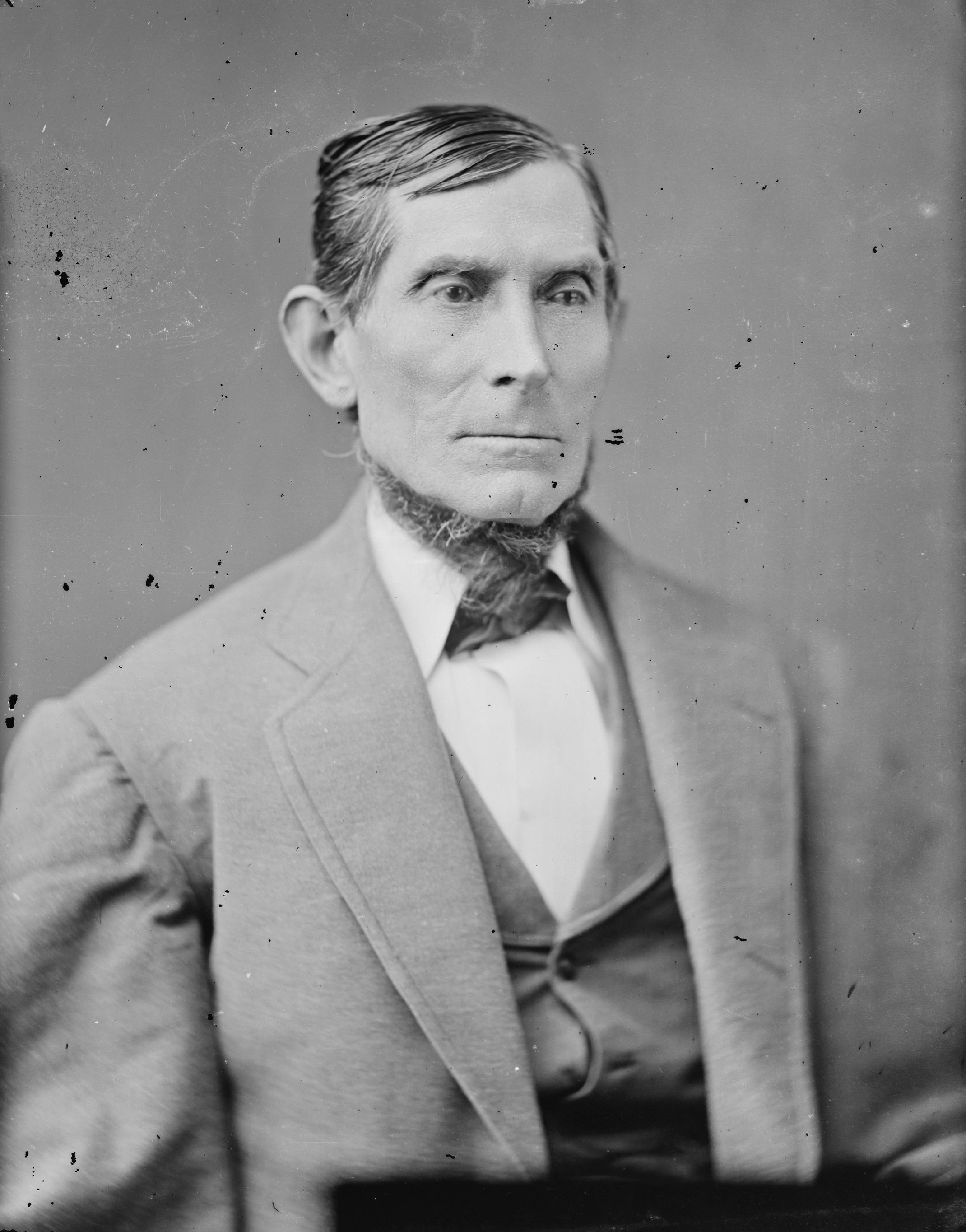
James Douglas Williams
U.S.A.

Social Media

Personal Background
James Williams holds a foundational background characterized by a commitment to budgetary constraint and fiscal responsibility. He spent a significant period advocating for women's rights, particularly property ownership, and was instrumental in securing funds for Purdue University. Williams' tenure as governor was marked by thrift, exemplified by the construction of the Indiana Statehouse at a reduced cost. Despite criticism for his handling of the Great Railroad Strike of 1877, his leadership saw efforts to increase funding for state assistance programs for war veterans.
Political Ideas
James Williams's political identity is marked by a unique blend of fiscal conservatism and progressive social policies. His tenure as governor saw him champion women's property rights and support state assistance programs for veterans, while simultaneously advocating for budgetary constraint and thrift in government spending. Williams's approach to labor issues, particularly his refusal to use force during the Great Railroad Strike of 1877, reveals a strategic balancing act between maintaining order and protecting his party's interests. His unexpected convergence with opposing factions on environmental regulations and industrial growth showcases an ideologically agile stance that prioritizes regional economic stability over national trends.