James Hoge Tyler
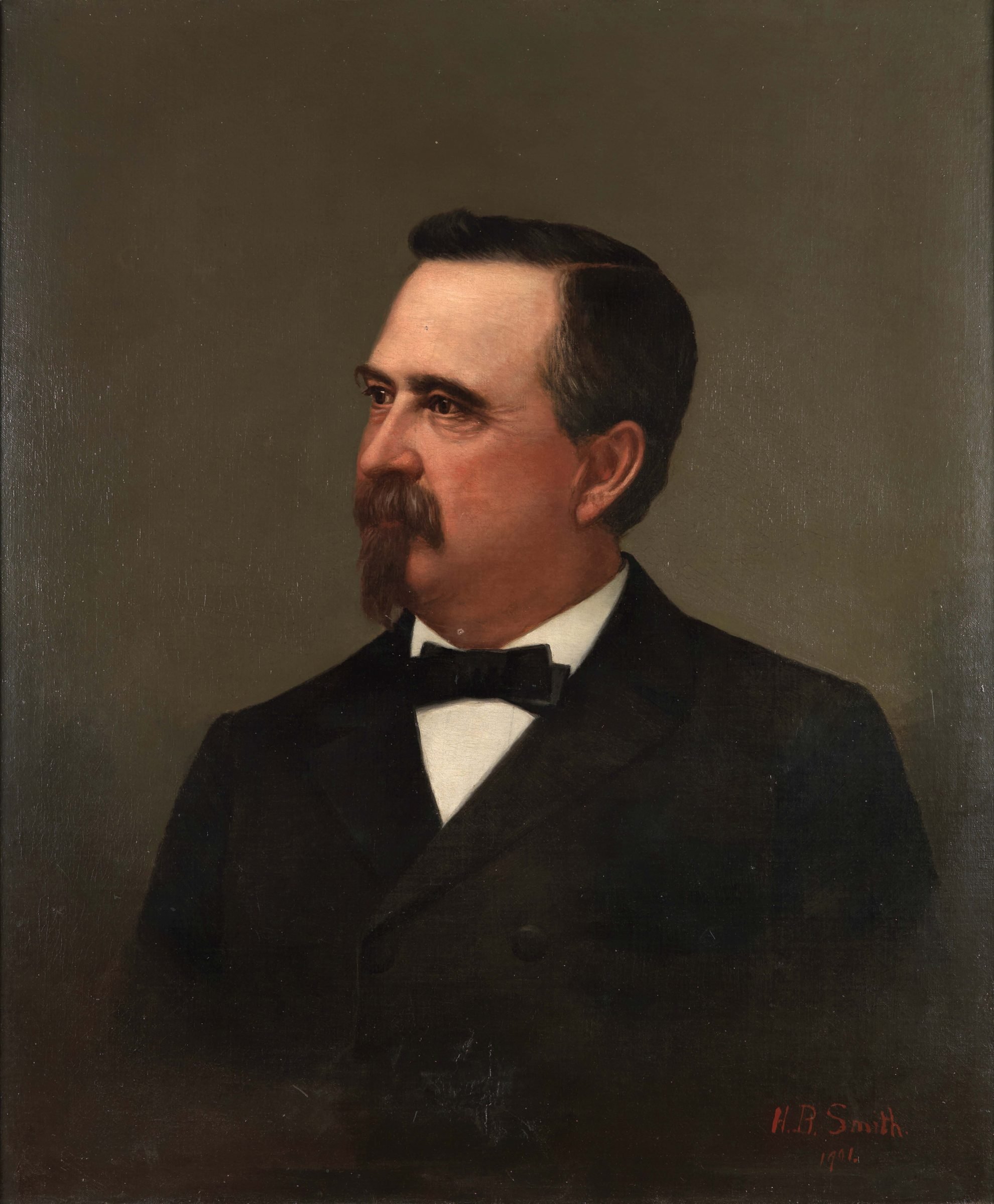
James Hoge Tyler
U.S.A.

Social Media

Personal Background
James Hoge Tyler was born into a prominent family in Virginia, raised by his maternal grandparents and an uncle. He served in the Confederate Army during the American Civil War and later transitioned into a career in public service. Tyler held a position in the Virginia Senate and became the rector of Virginia Agricultural and Mechanical College. He was elected Governor of Virginia in 1897, during which he reduced public debt, increased funding for public schools and literary programs, and signed the state's first Jim Crow segregation statute. Post-governorship, Tyler returned to farming and contributed to genealogical research and religious organizations.
Political Ideas
James Hoge Tyler's political identity is marked by an intriguing blend of progressive fiscal policies and regressive social stances. He championed industrial growth and education funding while simultaneously endorsing racial segregation. His governance saw a reduction in public debt and tax rates, yet he also signed Virginia's first Jim Crow law, revealing a complex approach to balancing economic modernization with racial hierarchies.