James Garrard
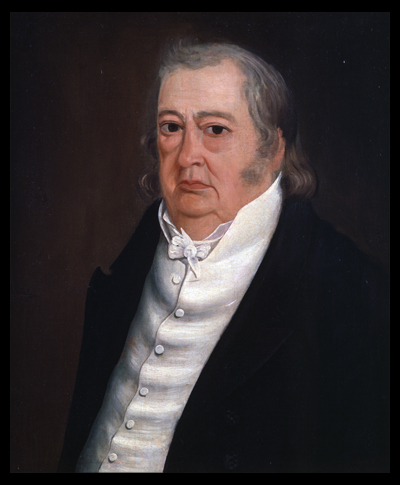
James Garrard
U.S.A.

Social Media

Personal Background
James Garrard established a foundation rooted in religious leadership and public service. He organized Cooper's Run Baptist Church and advocated for religious liberty, opposing the establishment of the Church of England as the official church. Garrard transitioned from religious leadership to public service, representing Stafford County in the Virginia House of Delegates and later Fayette County in the Virginia legislature. His military service in the Revolutionary War, including being captured and escaping, underscored his commitment to public duty. Garrard's professional expertise and leadership capabilities were further demonstrated through his involvement in the separation of Kentucky from Virginia and his role in surveying and establishing county seats.
Political Ideas
James Garrard's political identity is marked by a distinctive blend of progressive advocacy for religious liberty and an unexpected opposition to protections for slave owners. His ideological journey from Baptist preacher to Unitarian thinker reveals a highly localized approach to policymaking, balancing regional interests with broader moral convictions. Garrard's legislative record demonstrates an intriguing convergence with opposing factions on environmental regulations, hinting at a calculated strategy to safeguard industrial interests in his region.