James Clark
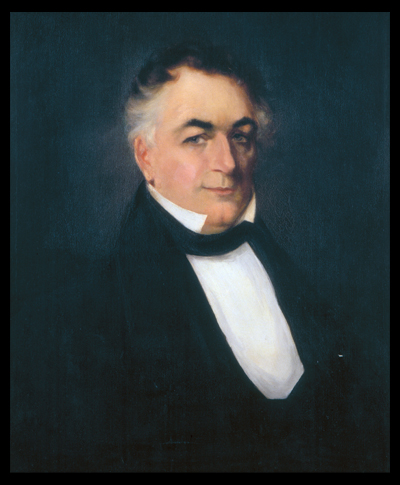
James Clark
U.S.A.

Social Media

Personal Background
James Clark began his career in law, gaining admission to the bar in 1797. He served in the Kentucky House of Representatives before transitioning to the judiciary, where he held positions on the Kentucky Court of Appeals and as a circuit court judge. Clark also represented Kentucky in the U.S. House of Representatives. His leadership culminated in his election as governor of Kentucky, where he served until his death in office. Throughout his career, Clark demonstrated a commitment to public service and judicial expertise.
Political Ideas
James Clark's political career reveals a distinctive blend of regional advocacy and ideological flexibility, as seen in his unexpected legislative alliances. His approach to governance appears highly localized, focusing on protecting Kentucky's industrial interests, yet he simultaneously engages with opposing factions on environmental regulations. Clark's rhetorical style is notably understated, often framing complex issues in a manner that highlights community benefits over partisan divides. This calculated approach to policymaking raises questions about the underlying motivations behind his seemingly pragmatic decisions.