James C. Jones
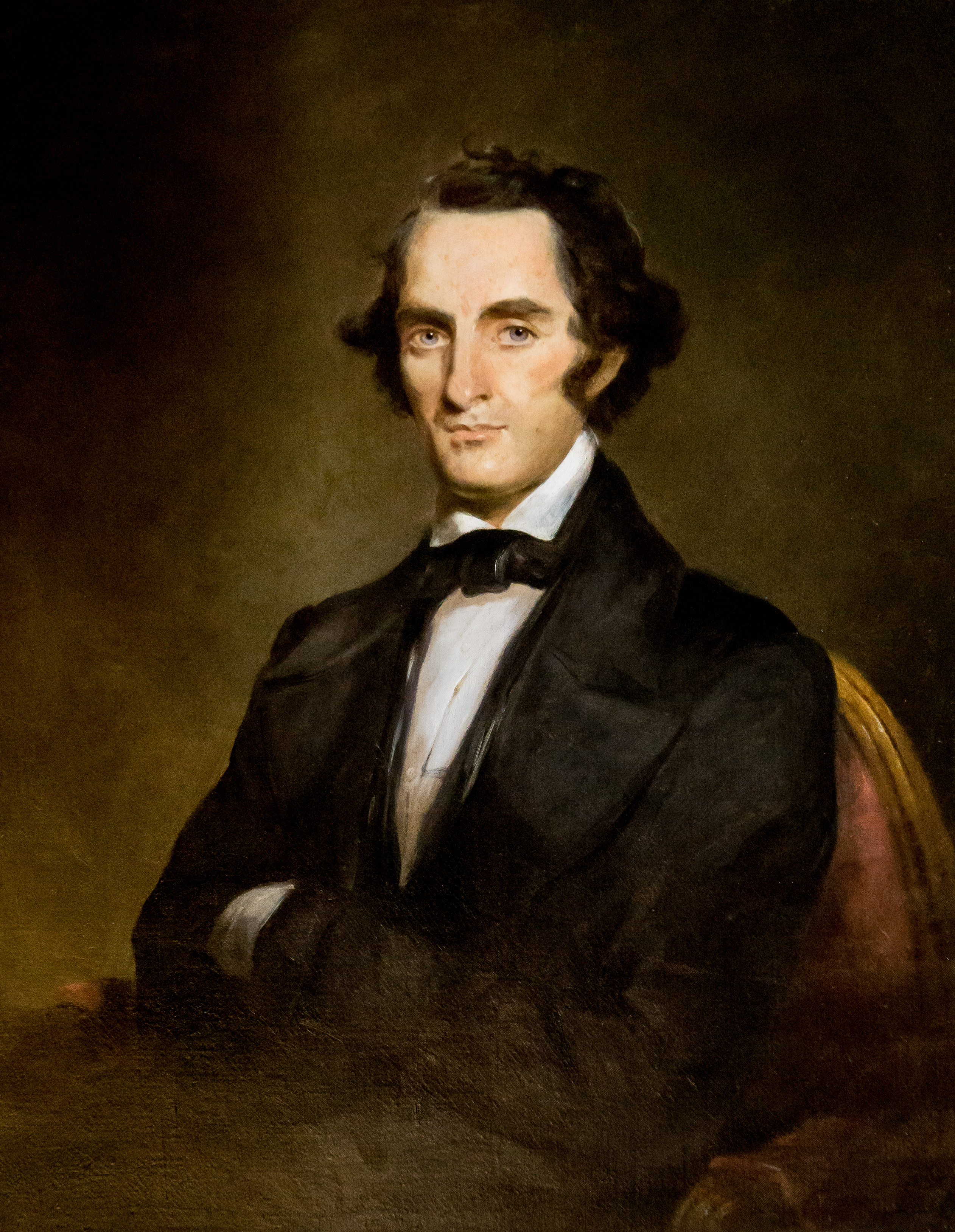
James C. Jones
U.S.A.

Social Media

Personal Background
James C. Jones spent his formative years in Tennessee, where he later purchased a farm. He established a political career by being elected to the Tennessee House of Representatives, where he later enacted debt reform legislation. Jones transitioned to the governorship, where he resolved state senate gridlock and established educational institutions for the blind and deaf. He served two terms as governor, during which he laid the cornerstone for the Tennessee State Capitol. Jones was elected to the U.S. Senate, where he critiqued the Kansas-Nebraska Act and endorsed several presidential candidates.
Political Ideas
James C. Jones's political identity is marked by an ideological fluidity that defies traditional party lines, especially regarding slavery. His support for figures like Winfield Scott, James Buchanan, and Stephen Douglas reveals a strategic alignment with candidates whose positions often diverged from his original Whig affiliations. Jones's unexpected endorsement of Douglas in 1860, despite his earlier criticisms of northern Whigs, underscores a pragmatic yet enigmatic approach to national issues. His legislative efforts, such as debt reform and educational institutions for the disabled, suggest a localized focus on state-level issues, balancing broader national debates with regional priorities.