James Bevel
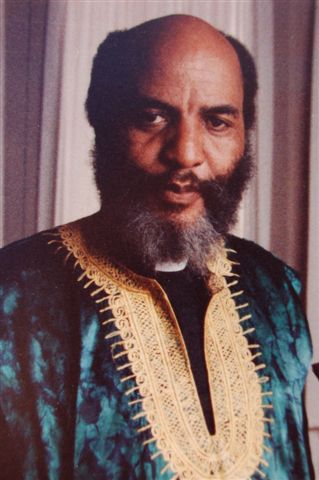
James Bevel
U.S.A.

Social Media

Personal Background
James Bevel attended American Baptist Theological Seminary and became a Baptist preacher, joining the Southern Christian Leadership Conference (SCLC). He played a pivotal role in organizing the Memphis sanitation workers' strike, which led to wage increases for sanitation workers. Bevel was initially opposed to the Poor People's Campaign but later served as its director of nonviolent education. He transitioned from leadership roles within the SCLC and engaged in various peace and human rights initiatives, including the National Committee Against Religious Bigotry and Racism. Bevel's career included significant shifts in political affiliations and culminated in criminal charges that affected his later years.
Political Ideas
James Bevel's political identity is marked by a complex blend of civil rights activism and ideological shifts, from his early alignment with Martin Luther King Jr. to his later support for Ronald Reagan. His commitment to nonviolence is juxtaposed with his controversial belief that James Earl Ray was not responsible for King's assassination, revealing a deeply personal and sometimes contentious approach to justice. Bevel's later involvement with LaRouche's political ticket adds another layer of ideological complexity, highlighting a willingness to align with unconventional political figures.